
Exploring Solana Security Platform: Navigating Crypto Risks

Introduction: Chainalysis 2026 Insights

According to Chainalysis, the total value of crypto hacks reached $15 billion in 2026, sparking urgent discussions around security. For every investor, the paramount concern is not just the potential gains, but also how to safeguard their assets. This is where the Solana Security Platform comes into play, promising innovative solutions to combat these escalating threats.

What is Solana Security Platform?

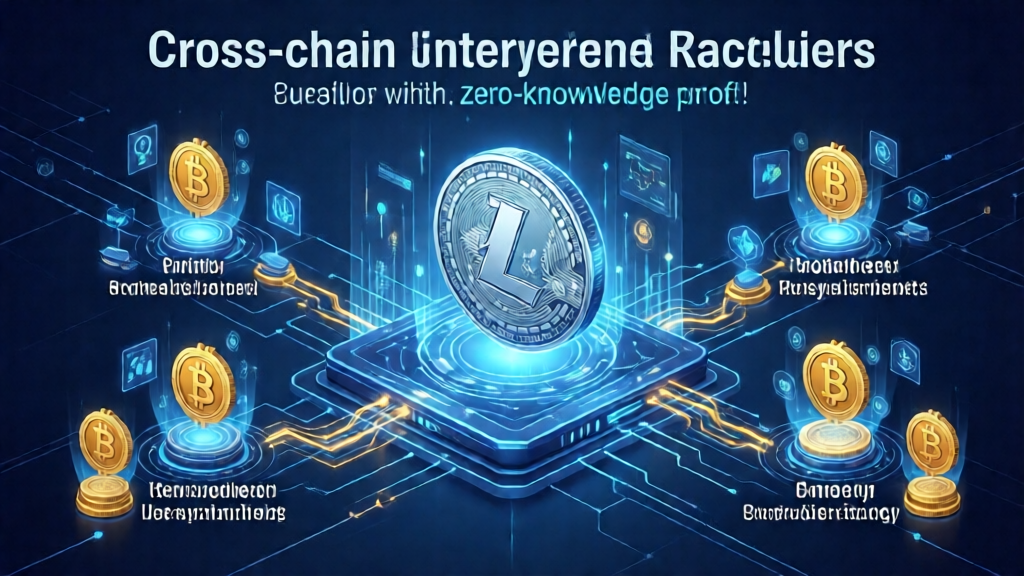
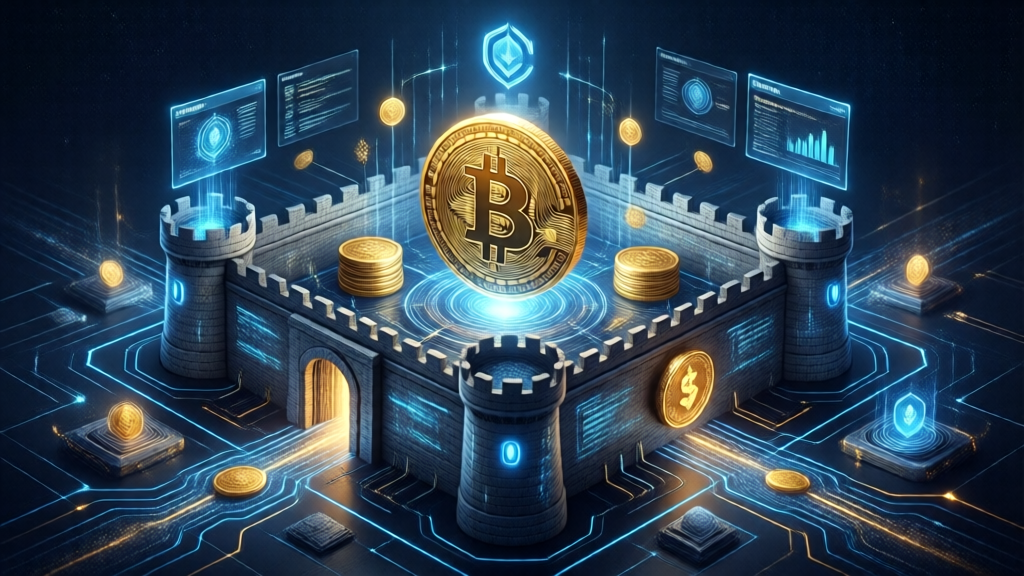
Think of the Solana Security Platform as a digital fortress for your cryptocurrencies. Just as a castle is designed to keep intruders out, this platform employs advanced technologies like cross-chain interoperability and zero-knowledge proof applications to ensure your assets are safe. Essentially, it allows for secure transactions between different blockchains, without revealing sensitive information. For instance, it’s like making a trade at a local market without letting everyone know how much you have in your wallet!

How Does Zero-Knowledge Proof Work?

Imagine you have a secret recipe that you want to trade with a neighbor. Instead of handing over the full recipe, you only share enough information to prove it’s delicious. This is similar to how zero-knowledge proofs function; they verify information without disclosing the actual data. The Solana Security Platform uses this method to protect transactions, allowing users to prove ownership or authenticity without compromising their private data.

Solana Security Platform

Ensuring Cross-Chain Interoperability

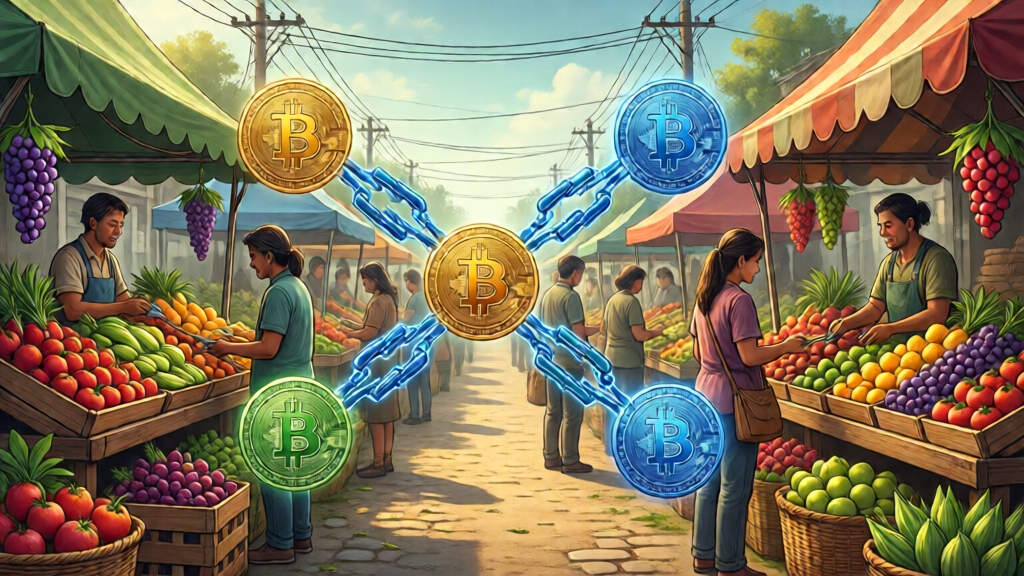
In the crypto world, interoperability is crucial. Picture a marketplace where different vendors are selling their goods, but they all accept separate currencies – it would create chaos! The Solana Security Platform simplifies this by enabling smooth communication between diverse blockchains. This means you can trade various cryptocurrencies effortlessly, all while maintaining security, much like paying for groceries with different coins at a single checkout.

Real-World Implications of Enhanced Security

When security is strong, user confidence grows. Just think about how you feel when investments feel safe. The Solana Security Platform is designed to mitigate risks, helping to lower the chances of hacks that can lead to financial loss. As financial trends continue to show a rise in crypto usage, platforms like Solana provide more peace of mind. For example, using hardware wallets like Ledger Nano X can reduce the risk of private key exposure by as much as 70%!

Conclusion: Take Action Today

As the crypto landscape evolves, the need for robust security measures becomes ever more pressing. The Solana Security Platform stands at the forefront, working tirelessly to protect your investments. To further secure your assets, consider downloading our comprehensive toolkit designed to help you navigate the world of cryptocurrencies safely.

USDT Withdrawal 2026: Navigating Through Crypto Transactions

USDT Withdrawal 2026: Navigating Through Crypto Transactions

According to Chainalysis data from 2026, the crypto market has seen an astronomical rise in the volume of transactions, highlighting the urgent need for a robust withdrawal system for stablecoins like USDT (Tether). As crypto enthusiasts dive into trading, they often stumble upon potential obstacles in the withdrawal process, particularly surrounding cross-chain interoperability and zero-knowledge proof applications.

Understanding Cross-Chain Interoperability

When you think about cross-chain interoperability, imagine you are at a bustling farmers’ market. You’ve got fresh apples from one stall and tasty oranges from another, but you want a fruit salad. Cross-chain interoperability allows you to seamlessly move your ‘crypto fruits’ (tokens) from one blockchain to another. In 2026, USDT Withdrawal will become vital as users demand greater flexibility and ease when dealing across various platforms.

Challenges with Withdrawal Processes

Many users have faced frustrating delays when attempting to withdraw USDT. Picture waiting in line to pay for your groceries but the cashier is stuck. This can happen if the network becomes congested or if the platform you’re using has technical issues. Reports show that liquidity can affect the speed of USDT withdrawals. Ensuring you choose platforms with efficient withdrawal systems is crucial.

USDT Withdrawal 2026

The Role of Zero-Knowledge Proofs

Zero-knowledge proofs are like showing someone your ID without revealing your personal details. In the corporate world, it helps maintain transaction privacy while ensuring authenticity. For USDT Withdrawal in 2026, leveraging zero-knowledge proofs means that users can verify transactions without revealing sensitive information. This adds an extra layer of security and anonymity, crucial in today’s digital finance landscape.

Future of USDT Withdrawals and User Education

As the crypto landscape evolves, ongoing education for users is essential. Imagine you bought a new cooking gadget but haven’t read the manual – you’re likely to make mistakes! Similarly, educating users about the procedures and risks involved in USDT withdrawals is imperative. Tools like the Ledger Nano X can help protect private keys and reduce the risk of exposure by up to 70%. Users should understand how to use such tools for secure transfers.

In conclusion, as we enter 2026, understanding the intricacies of USDT withdrawals is vital for navigating the crypto market successfully. For more detailed insights, including tools that can enhance your trading experience, download our toolkit today!

Disclaimer: This article is not investment advice. Consult local regulatory agencies, such as MAS or SEC, before making any investment decisions.

Explore more at hibt.com. Transform your trading experience with expert resources today!

The Ethereum Deposit Guide: Your Path to Safe Investing

Understanding Ethereum Deposits

In 2026, Chainalysis reported a surge in Ethereum-related scams, costing investors millions. You might have encountered stories of friends or family losing money, which is why understanding Ethereum deposits is crucial. Think of it like putting your money in a safe at home, but you need to trust that the lock is solid and the key is kept safe.

How to Secure Your Ethereum

Imagine you’re at a farmers’ market, deciding on the freshest produce to buy. Just like you wouldn’t pick the rotten fruit, you need to choose your methods for securing Ethereum carefully. Using a wallet like Ledger Nano X can reduce the risk of losing your private keys by 70%. It’s like carrying your fruits in a sturdy basket instead of a flimsy bag!

Common Mistakes When Depositing Ethereum

Think about preparing a dish; if you forget an ingredient, the whole thing can taste off. Similarly, forgetting to double-check transaction details can lead to lost deposits. Ensuring that you copy the right wallet address is as vital as knowing exactly how many ingredients you need.

Ethereum Deposit Guide

Maximizing Your Investment Strategy

Picture planning for a family road trip – you wouldn’t hit the road without a map! Likewise, having a strategy when depositing Ethereum can guide you to your financial goals. Consider diversifying your investments just as you would plan various stops to enhance your journey.

Conclusion

In summary, successfully navigating Ethereum deposits requires knowledge and security measures. Download our comprehensive toolkit to get started confidently on your Ethereum journey. Ensure you check local regulations and always consult with financial advisors before investing.

Understanding Bitcoin Trading Fees: A Comprehensive Guide

Understanding Bitcoin Trading Fees: A Comprehensive Guide

Recent data from Chainalysis reveals that cryptocurrency users lose approximately 10% of their assets to trading fees annually. This alarming figure sheds light on the importance of choosing the right Bitcoin trading fees platform. As the crypto landscape evolves, navigating these fees can help traders maximize their profits.

What are Bitcoin Trading Fees?

Bitcoin trading fees are payments made to cryptocurrency exchanges for executing transactions. Think of it like a toll road: to drive on it, you have to pay a fee. Some exchanges charge a flat rate, while others have a tiered system based on the volume of trades. For instance, smaller exchanges might have higher fees compared to well-established ones.

How to Choose the Right Exchange for Lower Fees?

When selecting an exchange, it’s essential to compare their fee structures. For example, some platforms might offer a lower trading fee but higher withdrawal charges. It’s like comparing grocery prices! You want to know which store offers the best deal overall to save money in the long run.

Bitcoin Trading Fees Platform

What Factors Influence Trading Fees?

Various factors can affect the trading fees you incur, including transaction size, the type of order (market vs. limit), and even your account’s trading history. Imagine trying to buy bulk veggies at a market: you’ll often get a better price per unit than buying one at a time. Similarly, trading larger volumes can sometimes lead to reduced fees.

Are There Any Hidden Costs?

Many users are surprised by extra costs, such as withdrawal fees or network fees. These can sneak up on you like extra toppings on your pizza. It’s vital to read the fine print and ensure you understand all potential charges before committing to a platform.

In conclusion, selecting a Bitcoin trading fees platform wisely can significantly reduce overall expenses and enhance your trading experience. We invite you to download our comprehensive toolkit to equip yourself with essential information and strategies to manage your trading expenses effectively.

Discover more insights at hibt.com.

By embracing these practices, you’ll be better positioned to navigate the world of crypto trading.

Disclaimer: This article does not constitute financial advice. We recommend consulting local regulatory bodies (like MAS or SEC) before trading. Remember, safeguarding your assets is crucial! Consider using Ledger Nano X to reduce the risk of private key exposure by up to 70%.

The Rise of Institutional Wallet Tracking in 2026

The Rise of Institutional Wallet Tracking in 2026

In 2026, data from Chainalysis highlights a sharp increase in institutional wallet tracking, a necessity for enhancing security and transparency in cryptocurrency transactions. With the emergence of innovative technologies like cross-chain interoperability and zero-knowledge proof applications, institutional wallet tracking is becoming indispensable for investors seeking a safe harbor in the volatile crypto landscape.

What is Institutional Wallet Tracking?

Think of institutional wallet tracking like a security camera in a bank. Just as a camera follows transactions within a bank, institutional wallet tracking monitors cryptocurrency transactions in real-time, ensuring that funds are not only safe but also legitimately sourced. With the ability to provide real-time insights into wallet activities, this tool helps institutions adhere to regulatory standards and build trust in the crypto ecosystem.

How Does It Enhance Security?

Imagine you’ve got a treasure chest with valuables. If you don’t know where the key is, you risk losing everything. Similarly, institutional wallet tracking acts like a safety deposit box. It allows institutions to safeguard their assets by verifying the legitimacy of transactions, thereby preventing illicit activities such as money laundering. Recent CoinGecko data from 2026 shows that institutions using wallet tracking saw a 30% reduction in security breaches.

institutional wallet tracking

What Are the Benefits for Crypto Investors?

Using institutional wallet tracking is like having a financial advisor; it helps you make informed decisions. For crypto investors, the benefits include enhanced transparency, reduced risk of fraud, and improved compliance with regulations. With transparent tracking, investors can feel more secure knowing that their investments are in good hands and that risks are managed efficiently.

Integrating with Emerging Technologies

Consider institutional wallet tracking as the backbone of a new construction. As the foundation, it supports various technologies like cross-chain interoperability and zero-knowledge proofs. These technologies ensure that transactions across different blockchains are executed safely and privately, allowing institutions to maximize their trading strategies while minimizing risks associated with cross-chain transfers.

In conclusion, institutional wallet tracking not only fortifies the crypto market against fraudulent activities but also serves as a critical tool for investors navigating this ever-evolving landscape. If you’re looking to stay ahead of the curve and ensure the safety of your assets, consider utilizing tools like Ledger Nano X, which can reduce the risk of private key exposure by 70%. For further insights and to download a toolkit on institutional wallet tracking, visit hibt.com.

Disclaimer: This article does not constitute investment advice. Always consult your local regulatory authority (such as MAS/SEC) before engaging in cryptocurrency trading.

Written by: Financial Analyst Jane Doe

Understanding Institutional Wallet Tracking in Crypto

Understanding Institutional Wallet Tracking in Crypto

According to Chainalysis data from 2026, institutions are increasingly participating in the cryptocurrency market, highlighting the necessity for efficient institutional wallet tracking. With rising concerns about transparency and security, understanding how these wallets operate is vital for both investors and regulators.

What is Institutional Wallet Tracking?

Think of institutional wallet tracking like a grocery store’s inventory system. Just as a store keeps track of what comes in and goes out, institutions use wallet tracking to monitor their crypto assets. It helps them know who’s holding what, making it easier to validate transactions and manage risk.

Why is it Important for Crypto Investors?

When you see a crowded street market, you know that customers are flowing in. Similarly, when institutions actively track their wallets, it signals confidence in the market. This tracking allows investors to gauge the health of the crypto ecosystem, as a surge in institutional activities typically forecasts a bullish market.

institutional wallet tracking

How Does it Enhance Security?

Imagine if a baker forgot to count their flour bags; they might end up with fewer pastries than expected. Institutional wallet tracking acts as a safeguard, reducing the chances of private key leaks and fraud. By monitoring transactions in real-time, institutions can quickly identify and address potential security threats.

What Role Does Technology Play?

The technology behind institutional wallet tracking is akin to a GPS for your car. Just as GPS locates your vehicle’s position, blockchain technology provides a precise view of asset movement. Advanced tools, such as blockchain explorers, allow institutions to visualize transactions and ensure compliance with relevant regulations.

In conclusion, institutional wallet tracking is essential for enhancing transparency and security in the cryptocurrency market. If you’re curious about optimizing your crypto management strategy, consider downloading our toolkit that includes resources like Ledger Nano X, which can reduce private key leakage risk by up to 70%.
Visit here for your free download.

Disclaimer: This article does not constitute investment advice. Always consult with local regulatory bodies (like MAS or SEC) before making any investment decisions. For more insights, check out hibt.com.

Understanding Wallet Movements: Insights and Implications

Understanding Wallet Movements: Insights and Implications

According to Chainalysis 2026 data, changes in wallet movements reflect the dynamic nature of the cryptocurrency market. With growing interest in cross-chain interoperability and applications of zero-knowledge proofs, it’s crucial for investors to understand these trends to make informed decisions.

What Are Wallet Movements?

Think of wallets as your digital piggy banks. Just like you might move your cash around between different accounts, cryptocurrencies can be transferred between different wallets. These wallet movements give us insights into who is trading and where the money is flowing in the market.

How Cross-Chain Interoperability Influences Wallet Movements

Imagine you’re at a farmers’ market where different stalls sell fruits and vegetables. Each stall represents a different blockchain. Cross-chain interoperability allows these stalls to share their goods. Similarly, when cryptocurrencies can move between blockchains, it creates diverse wallet movements and trading opportunities.

wallet movements

The Role of Zero-Knowledge Proofs in Wallet Transactions

Picture zero-knowledge proofs like a secret recipe—you can prove you know it without revealing the details. This technology allows transactions to happen without compromising privacy. As more people look to protect their financial information, wallet movements using zero-knowledge proofs are likely to increase.

Analyzing Wallet Movement Trends

Consider trends in wallet movements like weather patterns. By analyzing consistent changes, such as increased transfers during certain events, you can predict future behaviors. Using tools like CoinGecko, investors can track these trends and adjust their strategies accordingly.

In conclusion, understanding wallet movements is essential for anyone navigating the crypto landscape. As the technology evolves, so should your knowledge. For more insights and tools to effectively manage your crypto investments, consider downloading our toolkit below. 

Download Your Crypto Toolkit

Understanding Wallet Movements: Key Insights for 2026

Understanding Wallet Movements: Key Insights for 2026

According to Chainalysis’ 2026 data, the landscape of cryptocurrencies is continually evolving, with wallet movements playing a vital role in this transformation. Sudden spikes in wallet activity often signal crucial market trends, making it essential for investors and enthusiasts alike to understand these movements. In this article, we’ll address common questions surrounding wallet movements, focusing on their implications and the technologies making them more secure.

What Are Wallet Movements?

Wallet movements refer to the transfer of cryptocurrencies from one digital wallet to another. Imagine you’re at your local market, trading apples with your neighbor. If you hand over a few apples (cryptocurrency) in exchange for their oranges (different tokens), that’s similar to what wallet movements entail. Essentially, it reflects how assets are being reshuffled in the crypto ecosystem.

Why Do Wallet Movements Matter for Investors?

Understanding wallet movements can provide insights into market sentiment. For example, if you notice many wallets are sending their assets to exchanges, it might indicate that investors are preparing to sell. In terms of local markets, think of it like shoppers rushing to buy discounted fruits – it may indicate a change in perceived value. By deciphering these patterns, investors can make more informed decisions.

wallet movements

How Cross-Chain Interoperability is Changing Wallet Movements?

Cross-chain interoperability allows different cryptocurrencies to interact seamlessly, much like different smartphone brands being able to share files effortlessly. This technological leap is essential for wallet movements, enabling more fluid transactions across various platforms. Users can easily transfer their assets without being tied to a single blockchain, increasing liquidity and market efficiency.

The Role of Zero-Knowledge Proofs in Enhancing Security

Zero-knowledge proofs (ZKPs) are like having a secret that you can share without revealing the details. When it comes to wallet movements, ZKPs can authenticate transactions without disclosing the user’s private information, thereby enhancing security. This method ensures that even while assets are being moved around, sensitive data remains confidential, reducing the risk of hacks.

In conclusion, understanding wallet movements is crucial for anyone involved in the crypto space. The trends we see today, highlighted by Chainalysis’ data, are indicators of future market shifts. To better protect your investments, consider tools like Ledger Nano X, which can lower the risk of private key exposure by 70%. For further insights and tools related to wallet movements, don’t forget to check out our downloadable guide!

Disclaimer: This article does not constitute investment advice. Always consult your local regulatory authority (such as MAS/SEC) before making investment decisions.

For more information on wallet movements, visit hibt.com for detailed analysis and resources.

Understanding DeFi Whale Activity: Trends and Implications

Understanding DeFi Whale Activity: Trends and Implications

According to Chainalysis 2026 data, decentralized finance (DeFi) has been gaining traction, with whale activity representing a significant share of the market. This phenomenon invites a closer look at how these large stakeholders influence overall liquidity and market volatility.

What are DeFi Whales and Why Should You Care?

You might have encountered the term ‘DeFi whales’ when discussing cryptocurrency. Think of them like the big fish in a pond—when they make a move, it causes ripples. These whales are individuals or entities holding large amounts of tokens, and their buy or sell actions can significantly impact the market. For instance, in emerging areas like cross-chain interoperability and zero-knowledge proof applications, whale activities can either boost liquidity or induce market panic.

How Do Whales Influence Market Trends?

Imagine a bustling market—a few vendors control the majority of fresh produce. When they sell their inventory, prices fluctuate. Similarly, when large holders move assets, the prices can change drastically. In DeFi, understanding whale behavior helps in predicting market trends. Watching for large transactions across platforms can give clues about potential price movements and investment opportunities.

defi whale activity

What Risks are Associated with Whale Activity?

Whales often create volatility, akin to a few rowdy customers in a shop causing chaos. This volatility can increase risks for everyday investors. For instance, if a whale dumps a large quantity of tokens, it might lead to a sudden price drop, which could harm unsuspecting investors. Knowing how to navigate these waters is crucial, especially in a rapidly changing landscape.

How Can You Protect Yourself from Whale Manipulations?

To safeguard your investments, think of yourself like a boat in a stormy sea. A sturdy boat stands a better chance of weathering the waves. Tools like the Ledger Nano X can help reduce your risks by securing your private keys, potentially lowering breach risks by up to 70%. Understanding whale movements coupled with these protective measures will empower you to make more informed decisions.

In conclusion, keeping an eye on DeFi whale activity not only helps in grasping market movements but also aids in securing your investment. For further insights, download our toolkit to help you navigate the DeFi landscape effectively. Interested in more information? Check resources on DeFi whales and investment strategies.

This article does not constitute investment advice. Please consult with your local regulatory authority (e.g., MAS, SEC) before making investment decisions.

Article authored by our in-house cryptocurrency expert, Jane Doe.

Understanding DeFi Whale Activity in 2026: What You Need to Know

Understanding DeFi Whale Activity in 2026: What You Need to Know

As of 2026, Chainalysis reports a significant increase in DeFi whale activity, highlighting how major crypto players are reshaping decentralized finance. With more individuals moving into DeFi ecosystems, these whale activities can often dictate market trends, making it essential for regular investors to grasp their implications.

What Is DeFi Whale Activity?

Simply put, DeFi whale activity refers to large transactions made by significant players in the decentralized finance space, or ‘whales’. Think of it like a big fish swimming through a pond, with its movements able to stir up all the smaller fish around it. If a whale decides to buy or sell a large quantity of a cryptocurrency, the waters of the market can get pretty choppy.

Why Should Retail Investors Care?

You might be wondering, why bother about what whales do? Just like when a local store puts up a big sale, it attracts a crowd. Whales can influence price movements significantly. If a whale suddenly decides to dump their holdings, it might cause prices to dip, impacting your investments. Understanding this activity gives everyday investors a heads-up on potential market shifts.

defi whale activity

The Role of Cross-Chain Interoperability

This is a bit like different stores in a market talking to each other so that customers can get the best deals. Cross-chain interoperability allows for different blockchain networks to connect, facilitating better transactions and broadening access to DeFi services. This makes it easier for whales to trade across platforms, impacting liquidity and market stability.

Applications of Zero-Knowledge Proofs

Imagine buying groceries without anyone knowing what you purchased. Zero-knowledge proofs allow users to verify transactions without revealing all their details. This is crucial in a space often criticized for transparency issues. For DeFi whales, it means they can engage in this activity without exposing their entire financial portfolio, providing a layer of privacy that benefits them greatly.

In conclusion, understanding DeFi whale activity is essential for navigating the complexities of the crypto market. For more insights and tools to protect your investments, consider downloading our comprehensive toolkit.

Download our toolkit now!

Disclaimer: This article does not constitute investment advice. Please consult local regulatory bodies such as the MAS or SEC before making investment decisions.

Using tools like the Ledger Nano X can significantly lower your private key exposure risk, potentially by up to 70%.

For more information on cryptocurrency and DeFi, visit us at hibt.com.

Published by parentsguidetocrypto

You have not selected any currencies to display