
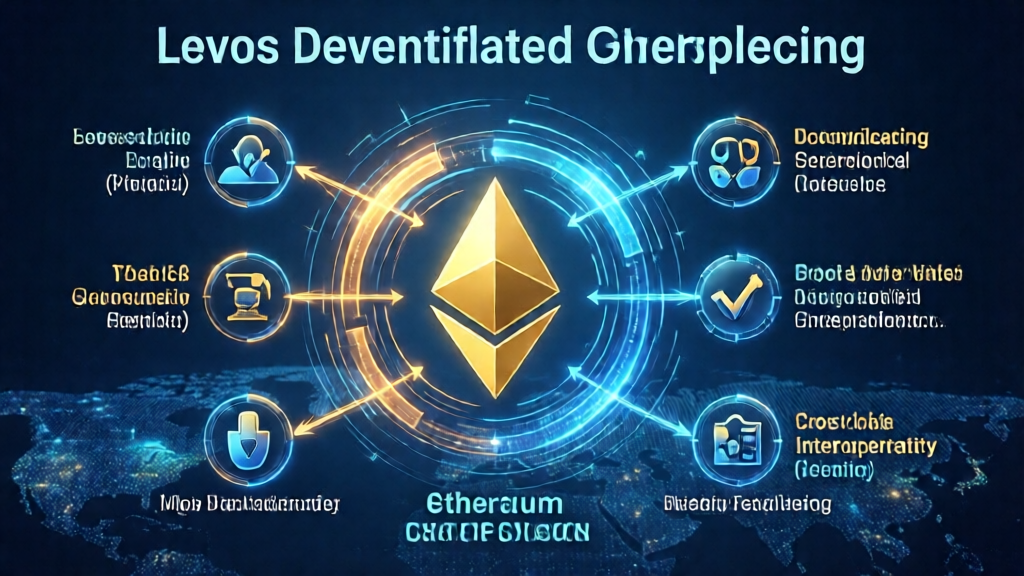

Ethereum Lending 2026: Navigating the Future of Crypto Loans

Ethereum Lending 2026: Navigating the Future of Crypto Loans
As we dive into the realm of Ethereum Lending 2026, data from Chainalysis reveals that decentralized finance (DeFi) has matured significantly. With over $100 billion locked in Ethereum-based lending platforms, users are increasingly seeking ways to optimize their borrowing and lending experiences.
The Rise of Cross-Chain Interoperability
Imagine you’re shopping in a massive marketplace where goods from different regions can be exchanged seamlessly. That’s what cross-chain interoperability offers in the world of Ethereum Lending 2026. It allows users to lend and borrow assets across different blockchain networks without the hassle of converting currencies manually. This means potentially lower transaction fees and reduced risks of price volatility. For instance, a user can leverage Bitcoin on an Ethereum-based platform, tapping into new pools of liquidity.
Zero-Knowledge Proofs: Shielding Your Transactions
You might have encountered situations where you want to buy something discreetly, like a gift. Likewise, zero-knowledge proofs in Ethereum Lending 2026 provide a way to confirm transactions without revealing your identity or transaction amount. This advanced cryptographic method enhances privacy, which is crucial in a decentralized lending environment, making users feel safer when engaging in high-value transactions.
Secure Your Tokens: The Role of Hardware Wallets
Think of hardware wallets like a safe deposit box for your crypto assets. With the growing popularity of Ethereum Lending 2026, ensuring the security of your digital assets becomes paramount. Tools like the Ledger Nano X can reduce the risk of key exposure by 70%, providing an additional layer of protection as you navigate the lending landscape. Just like you wouldn’t store valuable jewelry in an unlocked drawer, keeping your private keys secure is essential.
Understanding Risks in DeFi Lending
Similar to lending a book to a friend, there’s a chance they might not return it. In the context of Ethereum Lending 2026, understanding the risks is crucial. With smart contracts at play, a bug in the code could lead to significant losses. According to CoinGecko, security breaches accounted for over 40% of total losses in 2026. It’s vital to conduct thorough research and ensure you only engage with well-audited platforms.
In conclusion, with Ethereum Lending 2026 presenting both exciting opportunities and inherent risks, it’s imperative to approach this space with caution. By understanding how to leverage interoperability, privacy, security measures, and risk management, users can navigate the evolving landscape of decentralized finance more effectively. For further insights, download our comprehensive toolkit!

