Understanding NFT Trading Fees Platform in 2026


NFT Trading Fees Platform in 2026

Navigating the NFT Trading Fees Platform in 2026

According to Chainalysis data from 2026, NFT trading fees have become a significant concern for artists and collectors alike. With the boom of non-fungible tokens (NFTs), users are often bewildered by the transaction costs associated with trading on various platforms. In this article, we’ll dive deep into the NFT Trading Fees Platform and explore how these fees affect your trading experience.

What are NFT Trading Fees?

NFT trading fees are the costs incurred when buying or selling NFTs on a platform. Think of it like paying a small charge when you go shopping. Just like how a store takes a cut for facilitating the sale, NFT platforms charge fees to maintain their services. In the world of 2026, these fees can vary widely between platforms, so understanding them is crucial.

How Do Different Platforms Compare?

You might be wondering why one platform charges more than another. Let’s say you have two markets, one charging $1 for an apple and another charging $2. If both apples are of equal quality, why the difference? Similarly, NFT platforms can charge differently based on their popularity and the services they offer. Analyzing these fees can save collectors and creators a lot of money.

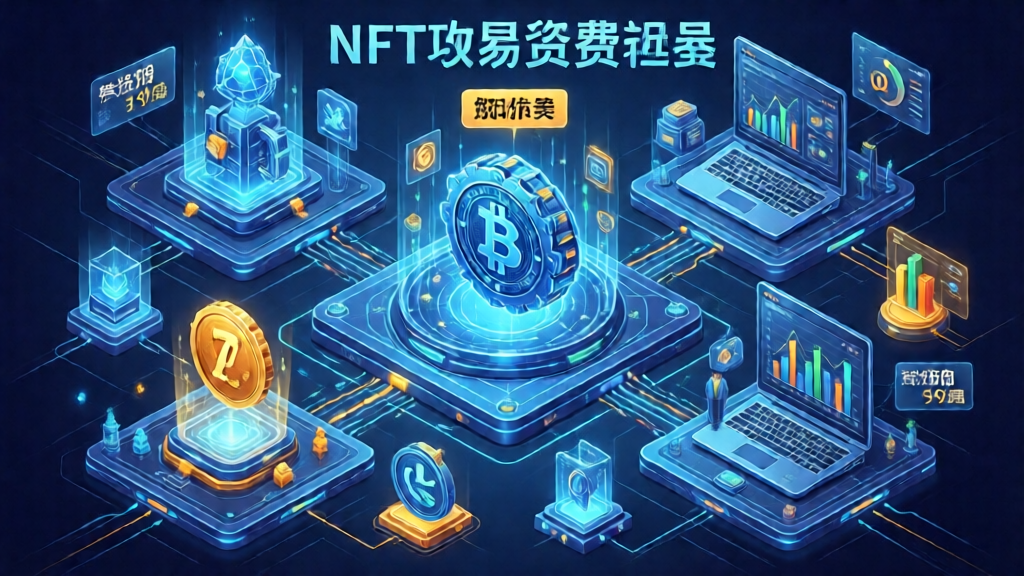
NFT Trading Fees Platform

How to Minimize Your NFT Trading Fees?

Imagine going to a farmer’s market. If you buy in bulk, you often get a discount. The same principle applies to NFTs! To reduce trading fees, consider batch processing transactions and choosing platforms with lower fees. Researching platforms like OpenSea or Rarible can help you find the best deal for your NFT trading needs.

The Role of Blockchain Technology in Trading Fees

Blockchain technology is the backbone of NFT trading, providing transparency and security. Think of it as a public library where every book is registered and tracked. However, this infrastructure comes with transaction costs. Technologies like cross-chain interoperability and zero-knowledge proofs are emerging to lower these fees, making transactions more efficient and affordable.

Conclusion

In summary, understanding the NFT Trading Fees Platform is paramount for anyone involved in the NFT space in 2026. By comparing platforms, minimizing transaction costs, and leveraging advanced blockchain technologies, you can enhance your trading experience. For additional insights and resources, consider downloading our comprehensive toolkit on NFT trading.
This article does not constitute investment advice. Please consult your local regulatory agency like MAS or SEC before engaging in any trading activities. Secure your transactions with a reliable device like the Ledger Nano X, which can reduce your private key exposure risk by 70%.

Exploring DeFi Zero Knowledge 2026: The Future of Secure Transactions

Exploring DeFi Zero Knowledge 2026: The Future of Secure Transactions

In a world where digital finance is rapidly evolving, a recent report from Chainalysis in 2026 reveals a staggering increase in demand for more secure and private transaction methods. This surge in interest is steering conversations around DeFi and Zero Knowledge proofs as potential game-changers in financial transactions, particularly through cross-chain interoperability.

What is DeFi and Why Does It Matter?

Imagine you’re at a farmer’s market. You want to buy the freshest apples, but you have to navigate through other stalls selling everything under the sun. DeFi is like the farmer’s market of finance — it offers a variety of services on a decentralized platform where you can trade assets directly without intermediaries. However, with growing complexities come growing risks. As demand for secure methods surges, solutions like Zero Knowledge proofs emerge to protect user data.

Understanding Zero Knowledge Proofs

So, how do these Zero Knowledge proofs work? Think of it like sharing a secret recipe without revealing the actual ingredients. You can prove you know the recipe without giving it away. In the context of DeFi, this means you can verify a transaction’s legitimacy without exposing sensitive information. Popular platforms are starting to integrate these proofs, aiming for 2026 to be a pivotal year for their adoption.

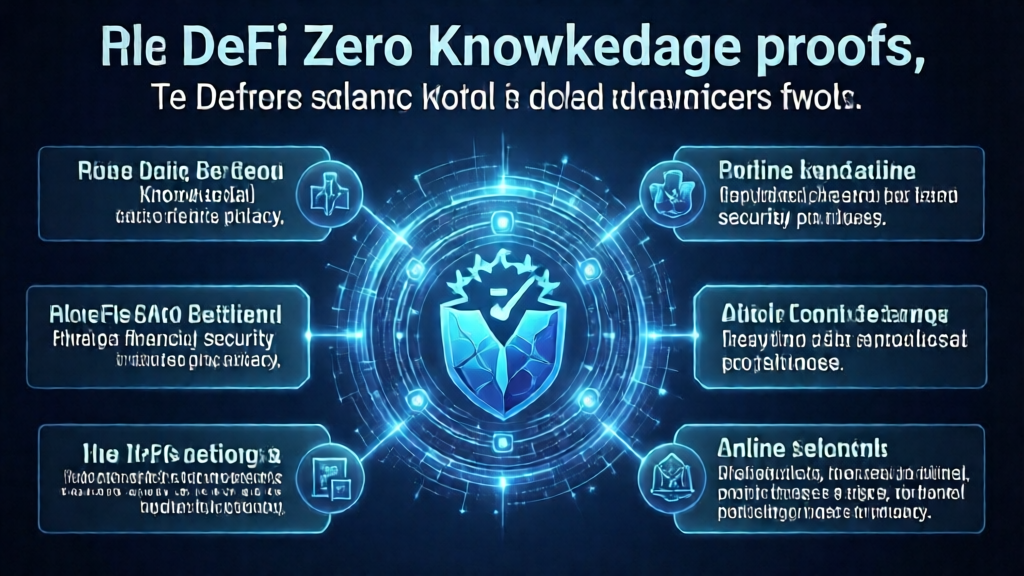
DeFi Zero Knowledge 2026

Cross-Chain Interoperability: Bridging Different Blockchains

Picture a multi-lane highway where vehicles can switch lanes without obstruction. That’s what cross-chain interoperability aims to achieve among various blockchain networks. Just as you wouldn’t want to sit in traffic, users want seamless access to different DeFi platforms. DeFi Zero Knowledge 2026 envisions a world where users can move assets freely and securely between different blockchains, enhancing liquidity and transaction speeds.

Pros and Cons of DeFi Zero Knowledge 2026

While the benefits of adopting Zero Knowledge proofs in DeFi are clear, such as enhanced privacy and security, there are challenges lurking like road bumps. Integrating these technologies can be complex, and not everyone understands how they work. Furthermore, a lack of regulatory clarity can lead to uncertainty for users looking to adopt these innovations. It’s crucial for enthusiasts to proceed with caution.

In conclusion, DeFi Zero Knowledge 2026 promises a future where financial transactions are more secure, private, and user-friendly. However, understanding these technologies and their implications is key to maximizing their benefits. As you explore the DeFi landscape, consider leveraging security tools like Ledger Nano X, which can lower your private key exposure risk by 70%.

To stay ahead of the curve, feel free to download our comprehensive toolkit on DeFi trends and Zero Knowledge innovations. This guide will arm you with the knowledge to navigate the complex world of decentralized finance safely.

Disclaimer: This article does not constitute investment advice. Always consult your local regulatory agency (such as MAS or SEC) before making financial decisions.

For more insights, visit hibt.com for additional resources on DeFi trends.

Understanding Blockchain Layer 2: A Comprehensive Guide

Introduction: The Scalability Problem in Crypto

In 2026, Chainalysis reported that transaction volumes on major blockchain networks are increasing exponentially, leading to congestion issues. This heightened activity creates delays and increases transaction fees, putting pressure on users and businesses alike. A solution is needed, and that’s where our Blockchain Layer 2 Guide comes into play.

What is Blockchain Layer 2?

Think of Layer 2 like a busy highway. When traffic is heavy, people start using side roads to reach their destinations faster. Blockchain Layer 2 solutions aim to alleviate congestion on main blockchains (Layer 1) by processing transactions off the base layer, ensuring faster and cheaper transactions. By utilizing technologies like payment channels and Plasma chains, blockchain layers can manage higher transaction volumes without straining the main chain.

Why is Cross-Chain Interoperability Important?

You might have come across different blockchain networks like Ethereum, Bitcoin, and Binance Smart Chain. Now imagine trying to send a letter between two cities that only use different postal services. Cross-chain interoperability allows various blockchains to communicate seamlessly, enhancing user experience and creating an ecosystem where assets can flow freely. This is critical as it opens doors for greater liquidity and innovation, supporting the broader goal of economic inclusivity within the crypto space.

Blockchain Layer 2 Guide

Zero-Knowledge Proofs: The Privacy Solution

Let’s simplify zero-knowledge proofs (ZKPs). Picture someone asking you about your bank balance, but instead of showing your bank statement, you just prove that your balance is more than enough to cover a purchase without revealing any specific details. ZKPs offer privacy in transactions while ensuring the legitimacy of actions on a blockchain. This technology is increasingly adopted in Layer 2 solutions, providing users peace of mind as they transact.

Future of Blockchain Layer 2 and Its Role

As we look ahead, it’s clear that Blockchain Layer 2 solutions will play a crucial role in the evolution of cryptocurrency transactions. With the growth of decentralized finance (DeFi) and non-fungible tokens (NFTs), the demand for efficient, scalable solutions will arise. Strategic partnerships and continuous technological advancements will shape how these tools develop, ensuring a balanced ecosystem for all users.

In conclusion, understanding Blockchain Layer 2 is essential for navigating the evolving landscape of cryptocurrency. Keeping informed about cross-chain interoperability and privacy solutions, such as zero-knowledge proofs, can empower users to take full advantage of the advantages offered by this technology. For deeper insights, feel free to download our toolkit related to Blockchain Layer 2 from the provided resources!

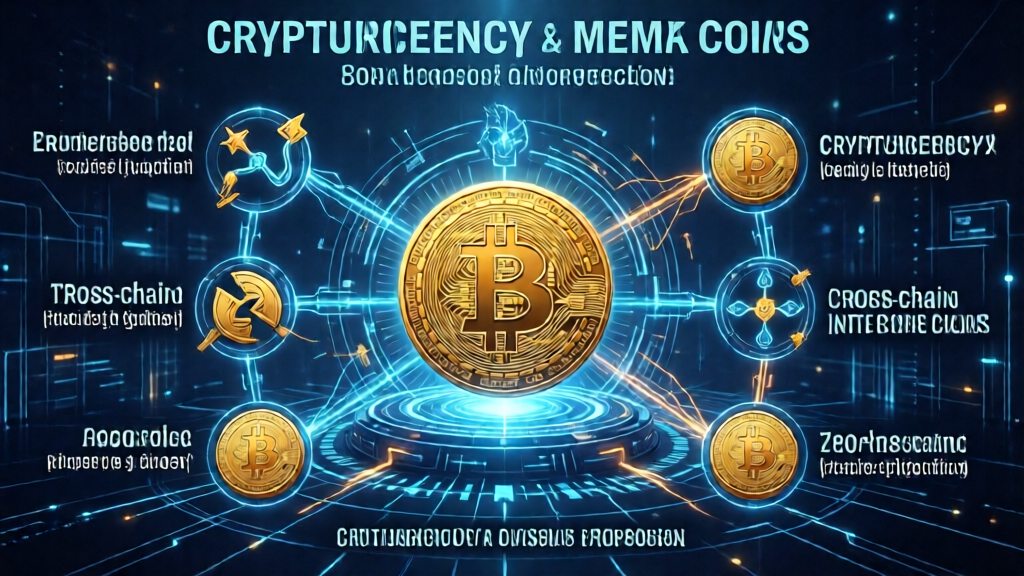
Understanding Cryptocurrency Meme Coins Platform: Opportunities and Risks

Introduction: The Rise of Meme Coins in 2026

According to Chainalysis, the booming market for meme coins is reshaping the landscape of cryptocurrency in 2026. With many new investors flocking to this niche, understanding the Cryptocurrency Meme Coins Platform is crucial to navigating its complexities. These platforms are built around the unique cultural phenomena that meme coins represent, often leading to significant but fleeting financial opportunities.

What Are Meme Coins and Why Invest in Them?

Meme coins are cryptocurrencies usually created as a joke or inspired by internet memes. For instance, if you think about how a casual conversation can spark a viral trend, meme coins function similarly—they gain popularity rapidly, but their long-term viability remains uncertain. You might be asking yourself, are they worth the risk? While some have made substantial returns, experts warn to treat them like speculative assets. This is where platforms focusing on Cryptocurrency Meme Coins come into play, offering users insights and tools to assess potential investments.

How Do Cross-Chain Interoperability and Zero-Knowledge Proofs Work?

Imagine you’re trying to trade fruits at different market stalls. Normally, you might face problems when the stalls don’t accept the same currency. Cross-chain interoperability, however, is like a universal currency that enables you to trade without limitations. Similarly, zero-knowledge proofs allow for secure transactions without needing to disclose personal data about the trader. This adds a layer of privacy and security, making Cryptocurrency Meme Coins Platform increasingly appealing to users looking for safe trading options.

Cryptocurrency Meme Coins Platform

Analyzing the Volatility of Meme Coins

Volatility in meme coins can be likened to the unpredictable weather—sunny one moment, stormy the next. While the promise of high returns can be enticing, investors must remain vigilant. The market shifts rapidly, influenced by trends and online discussions. Utilizing Cryptocurrency Meme Coins Platform not only helps in understanding these fluctuations but also provides vital alerts when the market is ripe for trading or when to hold back.

Tools You Need to Safeguard Your Investments

While diving into meme coins, it’s essential to have reliable tools at your disposal. Just like using a helmet when biking for safety, employing tools like the Ledger Nano X can reduce the risk of private key exposure by 70%. This adds a layer of security against potential hacks that frequently target meme coin investments. Moreover, leveraging resources from sites like HIBT can further enhance your knowledge on safe trading strategies.

Conclusion: Embrace the Future with Caution

As the landscape of cryptocurrency continues to evolve, understanding the Cryptocurrency Meme Coins Platform becomes essential for both novices and experienced investors. Remember to consult your local regulations and proceed cautiously with investments. For a comprehensive toolkit that can guide you further in this journey, download our free resources!

You have not selected any currencies to display