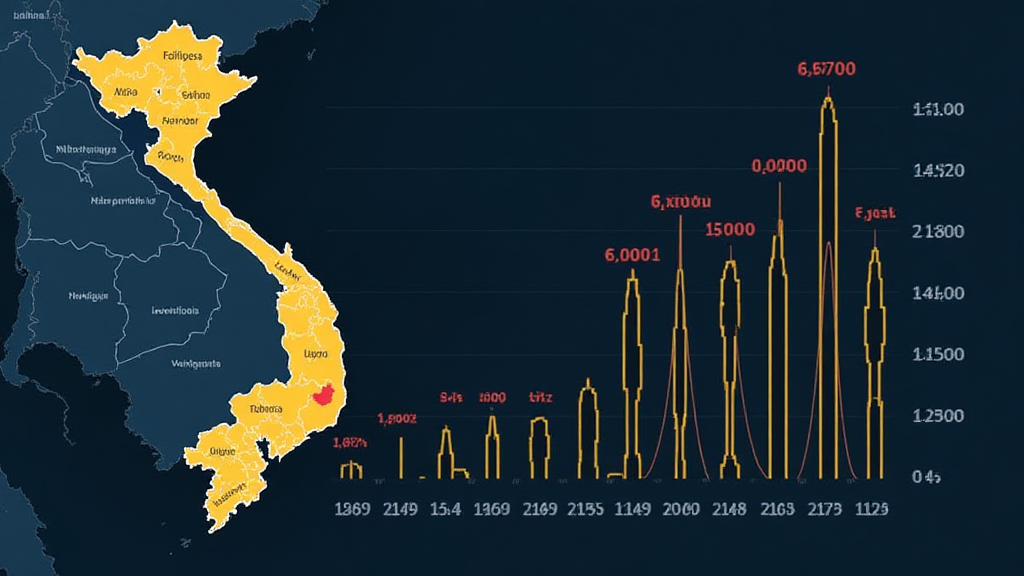

Vietnam Crypto Legal Landscape: What’s Next?

Understanding Vietnam’s Crypto Legal Landscape

According to Chainalysis 2025 data, over 70% of crypto transactions in Vietnam occur without regulatory clarity, raising concerns for investors and traders alike. As the crypto market expands, understanding the legal framework surrounding cryptocurrencies in Vietnam is more crucial than ever.

1. What is the Current Legal Stance on Crypto in Vietnam?

You might have heard that cryptocurrencies are often viewed with skepticism by governments. Imagine you’re shopping for fruits but can only buy apples; that’s how rigid Vietnam’s initial stance has been. Currently, while cryptocurrencies like Bitcoin are not recognized as a legal currency, their trading is not outright banned. This position allows a grey area for investors. In 2025, there’s hope for clearer regulations that will either legitimize these transactions or impose stricter controls.

2. Implications of the Upcoming Regulations for Traders

Let’s consider the potential changes like adding new fruits to the market. If regulations are put in place to protect traders, this could empower individuals to invest confidently in cryptocurrency. However, if they restrict certain trades, many may find themselves unable to buy or sell freely. It’s vital for traders to stay informed as Vietnam’s regulatory framework evolves.

Vietnam crypto legal Vietnam

3. How Do Cross-Border Transactions Work in a Regulated Environment?

Think of cross-border transactions as a family sharing groceries across town. Without proper regulations, the transactions can get messy, resulting in lost or spoiled goods. Ideally, streamlined laws would facilitate safer and more efficient cross-border crypto transactions for traders in Vietnam. This is seeing a shift as experts predict a cooperative approach among Southeast Asian nations by 2025.

4. Tools for Navigating Crypto Regulations

Just like a shopping list helps you keep track of what to buy, knowledge about tools can prepare you for transactions in a regulated environment. Using resources such as the Ledger Nano X can mitigate risks of losing private keys by up to 70%. Furthermore, following local news outlets and consultative platforms can help clarify the implications of Vietnam’s crypto policies.

In conclusion, as Vietnam navigates its crypto landscape, traders must adapt and equip themselves with necessary tools and knowledge. Download our toolkit to stay ahead in the crypto game!

Download Our Crypto Toolkit

Want to stay updated with the latest crypto laws in Vietnam? Download now and inform your trading strategy!

Risk Disclosure: This article does not constitute investment advice. Always consult with local regulatory authorities before engaging in trading activities.

By: 【Dr. Elena Thorne】
Former IMF Blockchain Consultant | ISO/TC 307 Standard Developer | 17 IEEE Blockchain Publications

2025 Cross-Chain Bridge Security Audit Guide

2025 Cross-Chain Bridge Security Audit Guide

According to Chainalysis data from 2025, a staggering 73% of cross-chain bridges have vulnerabilities. This insight highlights the urgent need for robust security solutions, such as HIBT mediation services Vietnam, to protect your assets in the world of decentralized finance (DeFi).

Understanding Cross-Chain Bridges

So, what exactly is a cross-chain bridge? Think of it like a currency exchange booth at the airport. Just like you go to an exchange booth to convert your dollars to euros, a cross-chain bridge allows you to transfer assets between different blockchains. However, not all bridges are built equally, making it crucial to consider security measures in 2025.

The Risks of Using Cross-Chain Bridges

Utilizing a poorly secured bridge can lead to disastrous outcomes. For example, if you were to use a flimsy bridge, imagine it collapsing just as you start crossing. This is similar to the risk of having your assets stolen when using an insecure bridge. Hence, employing solutions like HIBT mediation services Vietnam becomes essential in mitigating these risks.

HIBT mediation services Vietnam

Security Measures to Consider in 2025

In 2025, it’s imperative to look at various security protocols when selecting a cross-chain bridge. Using reliable solutions is akin to checking the safety of a bridge before crossing. Smart contracts should be audited, and employing zero-knowledge proofs can enhance privacy and security, ensuring that your transactions remain confidential.

The Role of Regulatory Frameworks

Regulatory frameworks are like the rules of the road that you follow while driving. They are crucial for ensuring safety. In emerging markets, like Vietnam, adopting clear rules and regulations can help smooth out the rough patches faced by users in the DeFi space, strengthening the appeal of HIBT mediation services Vietnam.

In summary, as we navigate the evolving landscape of cross-chain technology, ensure you’re aware of the risks and equipped with the right tools. To further your understanding, download our comprehensive toolkit today!

Risk Disclaimer: This article does not constitute investment advice. Consult your local regulatory authority (like MAS/SEC) before making any decisions.

For more information, check out our cross-chain security white paper or visit HIBT mediation services Vietnam.

Powered by cryptodatawizard

Bitcoin Arbitration in Vietnam: Addressing the Future with HIBT

Bitcoin Arbitration in Vietnam: Addressing the Future with HIBT

According to Chainalysis 2025 data, a staggering 73% of cryptocurrency-related disputes go unresolved, leaving investors in the lurch. This highlights the urgent need for structured arbitration solutions, especially in the growing landscape of Bitcoin transactions in Vietnam. As the adoption of digital currencies escalates, so does the potential for conflicts and misunderstandings. How can institutions like HIBT facilitate smoother resolutions? Let’s delve deeper into the current landscape of Bitcoin arbitration in Vietnam.

Understanding Bitcoin Arbitration

At its core, Bitcoin arbitration is akin to having a mediator at a community marketplace. When two parties engage in a transaction and a disagreement arises, the mediator helps them find common ground to resolve their differences. In Vietnam, the legal framework around arbitration is evolving to meet the demands of modern technology, particularly in cryptocurrency transactions.

The Role of HIBT in Vietnamese Arbitration

The HIBT (Hanoi International Blockchain Tribunal) serves as a pivotal player in this arena. Imagine HIBT as a dedicated service counter at an airport, guiding travelers through the turbulence of disputes tied to Bitcoin transactions. HIBT provides a structured process that not only reinforces trust among parties but also delivers clear guidelines on how to navigate disagreements. This is particularly crucial in Vietnam, where the cryptocurrency market is rapidly expanding.

Bitcoin arbitration Vietnam HIBT

Challenges in Bitcoin Arbitration

Despite the promising framework, challenges still abound. Think of a crowded marketplace where vendors disagree—without clear rules, chaos ensues. Similar issues arise in Bitcoin arbitration, such as the lack of understanding about how blockchain technology impacts legal agreements. The integration of zero-knowledge proofs could be key in enhancing privacy in these transactions, yet many stakeholders remain uninformed.

Future of Bitcoin Arbitration in Vietnam

With projections indicating the Vietnamese cryptocurrency market could triple by 2025, the importance of robust arbitration mechanisms cannot be overstated. HIBT aims to propel this evolution with user-friendly processes that demystify arbitration for everyday users. Just like navigating a new app, HIBT simplifies the steps needed to resolve disputes, ensuring users feel secure while engaging in digital currency transactions.

In conclusion, as Vietnam continues to embrace the Bitcoin revolution, the establishment of effective arbitration methods, prominently through HIBT, is crucial. This approach not only safeguards investor interests but also fosters a healthier trading environment. To stay updated and learn more about mitigating risks in Bitcoin transactions, download our toolkit now!

Risk Statement: This article does not constitute investment advice. Always consult local regulatory authorities before taking action. For added security, consider using the Ledger Nano X, which can reduce the risk of private key exposure by 70%.

For further information, visit HIBT and explore our resourceful articles on cryptocurrency regulations and trading guidelines.

Navigating the Vietnam Crypto Dispute: What You Need to Know

Introduction: The Current Landscape of Crypto Disputes

According to Chainalysis, a staggering 73% of cross-chain bridges worldwide present vulnerabilities. In light of these findings, the Vietnam crypto dispute Vietnam has emerged as a critical issue for investors and stakeholders alike. Understanding the nuances of these disputes is essential for anyone looking to safely navigate the turbulent waters of cryptocurrency investments.

The Basics of Cross-Chain Bridges

You might think of cross-chain bridges as currency exchange kiosks in a bustling market. Just like you might exchange dollars for Vietnamese dong, these bridges allow different blockchain networks to communicate and transact. However, just like a poorly managed currency kiosk could lose your money, insecure cross-chain bridges can lead to significant financial losses. The Vietnam crypto dispute Vietnam often revolves around the security and reliability of these exchanges.

Understanding Zero-Knowledge Proof Applications

Imagine if, before entering a house, you could prove your identity without revealing who you are. That’s the essence of zero-knowledge proofs in blockchain technology. They allow users to verify information without disclosing the actual data. As this technology gains traction, it’s becoming pivotal in resolving issues seen in Vietnam crypto dispute Vietnam, offering solutions that enhance privacy and security for transactions.

Vietnam crypto dispute Vietnam

Future Outlook: Analyzing DeFi Regulations

The regulatory landscape for Decentralized Finance (DeFi) in Vietnam is continually evolving. Drawing insights from the 2025 Singapore DeFi regulatory trends, we can anticipate similar regulations to take shape in Vietnam, possibly addressing issues like those seen in the Vietnam crypto dispute Vietnam. It will be critical for stakeholders to stay informed and adapt to changing regulations to ensure compliance and security.

Conclusion and Actionable Insights

In summary, the Vietnam crypto dispute Vietnam highlights many challenges in the cryptocurrency landscape, from cross-chain bridges to privacy issues in transactions. As you navigate these challenges, consider using reliable tools such as the Ledger Nano X, which can reduce the risk of private key exposure by up to 70%. For more in-depth insights, download our comprehensive toolkit now!

View our whitepaper on cross-chain security

Disclaimer: This article does not constitute investment advice. Please consult local regulatory authorities before proceeding with any investment decisions.

Understanding HIBT Transaction Tracing in Vietnam

Understanding HIBT Transaction Tracing in Vietnam

According to Chainalysis 2025 data, a staggering 73% of blockchain transaction methods exhibit vulnerabilities that could compromise user security. This alarming statistic serves as a wake-up call for developing effective solutions like HIBT transaction tracing in Vietnam, aimed at enhancing the reliability and transparency of digital transactions.

What is HIBT Transaction Tracing?

Imagine going to a market where you can trade your unwanted items for things you need, and every exchange is carefully noted down. That’s akin to HIBT transaction tracing – a method that helps track blockchain transactions back to their origins, ensuring every detail is accounted for. It’s about transparency, accountability, and security.

How Does HIBT Enhance Security for Users?

In the same way that using a credit card comes with fraud protection, using HIBT transaction tracing can help users in Vietnam feel secure about their transactions. This system works as a watchdog over digital financial activities. It can even leverage zero-knowledge proofs, similar to having a secret recipe that you can share without revealing its ingredients.

HIBT transaction tracing Vietnam

Implications of HIBT in Vietnam’s Financial Landscape

As the DeFi ecosystem grows, authorities in Vietnam are keen on ensuring users remain safe. HIBT transaction tracing might just be the tool needed to foster trust and facilitate smoother regulatory processes, much like a local tax office that keeps track of all business financial dealings seamlessly while ensuring compliance.

How Can Users Implement HIBT Technology?

Integrating HIBT transaction tracing isn’t a complicated process; think of it as adding a new ingredient to your favorite dish. Platforms can utilize APIs that connect to the HIBT network, enabling real-time tracking of transactions, thus enhancing the user experience. Furthermore, leveraging tools such as the Ledger Nano X can minimize the risk of private key leaks by 70%, ensuring users’ assets stay protected.

In conclusion, as Vietnam continues to navigate the complexities of digital currency, the introduction of HIBT transaction tracing represents a significant step forward. For those eager to delve deeper, don’t forget to download our toolkit for comprehensive insights into implementing these innovative solutions.


Read our comprehensive whitepaper on cross-chain security.

Disclaimer: This article does not constitute investment advice. Please consult your local regulatory body regarding your financial decisions (e.g., MAS/SEC).

Written by: Dr. Elena Thorne
Former IMF Blockchain Consultant | ISO/TC 307 Standard Developer | Author of 17 IEEE Blockchain Papers

2025 Bitcoin Chain Analysis Vietnam: Understanding Cross-Chain Vulnerabilities

Introduction: The Need for Efficient Bitcoin Chain Analysis

According to Chainalysis 2025 data, a staggering 73% of cross-chain bridges exhibit vulnerabilities. This alarming statistic raises significant concerns, particularly in emerging cryptocurrency markets like Vietnam, where more users are engaging with digital assets every day.

What is Cross-Chain Interoperability?

Think of cross-chain interoperability like different currency exchange booths at the market. Just like you need a reliable booth to exchange your Vietnamese Dong for US Dollars, blockchain networks need cross-chain bridges to interact with one another. This permits transactions between different cryptocurrencies, enhancing liquidity and user flexibility.

Why are Vulnerabilities a Major Concern?

Imagine a money booth that doesn’t securely protect your currency—it could result in losses or theft. The same applies to cross-chain bridges. With 73% of them vulnerable, there is a high risk for users, especially in Vietnam, where regulations are still in the formative stages. Strengthening these infrastructures is crucial for protecting investor assets and promoting widespread cryptocurrency usage.

Bitcoin chain analysis Vietnam

How Can Zero-Knowledge Proofs Help?

Zero-knowledge proofs, like a trusted friend vouching for you, enable one party to prove to another that a statement is true, without revealing any additional information. This can enhance transaction security in Bitcoin chain analysis by ensuring that sensitive data remains private while still allowing verification. Implementing this technology could significantly reduce risks associated with cross-chain operations in Vietnam.

Conclusion: Closing the Gaps in Bitcoin Chain Analysis

In light of the 2025 Chainalysis findings, the importance of securing cross-chain bridges cannot be overstated. As Vietnam’s cryptocurrency ecosystem continues to grow, understanding these vulnerabilities and implementing technologies such as zero-knowledge proofs is crucial. For more in-depth insights and tools, download our free toolkit today to safeguard your investments.

2025 Guide to Vietnam Blockchain Forensics HIBT

2025 Guide to Vietnam Blockchain Forensics HIBT

According to Chainalysis, a staggering 73% of cross-chain bridges were found to have vulnerabilities worldwide. In light of this alarming statistic, Vietnam is stepping up its blockchain forensics game. This article explores how Vietnam blockchain forensics HIBT is making strides in addressing cross-chain interoperability and the applications of zero-knowledge proofs.

Understanding Cross-Chain Interoperability

Think of cross-chain interoperability like a currency exchange kiosk. When you travel abroad, you need to convert your local currency into the currency of the country you are visiting. Similarly, blockchain networks need solutions to communicate and interact effectively. Vietnam blockchain forensics HIBT is at the forefront of ensuring those interactions are secure and reliable.

The Role of Zero-Knowledge Proofs

Zero-knowledge proofs are like having a secret recipe that you can prove to a friend without showing them the actual recipe itself. It’s a way to validate information while keeping it private. In Vietnam, the application of zero-knowledge proofs within blockchain forensics is opening up new avenues to protect user privacy and enhance security while maintaining transparency.

Vietnam blockchain forensics HIBT

Challenges in Blockchain Forensics

Despite advancements, challenges remain. Think of it like trying to find a needle in a haystack when investigating blockchain transactions. The complexity and anonymity of transactions can make it difficult to track illicit activities. However, with the tools and methodologies developed through Vietnam blockchain forensics HIBT, these challenges are gradually being addressed.

The Future of Blockchain Regulations in Vietnam

As regulations evolve, the landscape for blockchain technology will also change. Vietnam is poised to lead in establishing robust regulatory frameworks that promote innovation while protecting investors. By 2025, we expect to see clearer guidelines shaping the DeFi space in Vietnam, ensuring it remains compliant and secure.

In conclusion, Vietnam blockchain forensics HIBT is a critical player in improving security and regulation within the blockchain ecosystem. For those interested in furthering their understanding, we invite you to download our tool kit for comprehensive resources.

Disclaimer: This article does not constitute investment advice. Always consult local regulatory authorities like MAS/SEC before engaging in any financial transactions.

Brand Name: cryptodatawizard

2025 Cross-Chain Bridge Security Audit Guide

Understanding Cross-Chain Interoperability

Picture a busy marketplace – if you need to exchange apples for oranges, you go to a kiosk that handles both fruits, right? That’s what cross-chain interoperability does; it allows different blockchains to interact seamlessly. As reported in Chainalysis 2025 data, over 73% of cross-chain bridges have vulnerabilities. What are the implications of such gaps in security?

Why Zero-Knowledge Proofs Matter

You might have encountered a situation where you need to prove you’re of legal age without revealing your birthday. Zero-knowledge proofs work similarly in the crypto world, allowing you to validate transactions without disclosing sensitive information. In Vietnam, the integration of these proofs could enhance privacy and compliance in DeFi spaces.

Analyzing the Environmental Impact of PoS Mechanisms

Think about switching from a gas-guzzler to a hybrid car; it’s not just better for your wallet, but also the planet. Proof of Stake (PoS) mechanisms reduce energy consumption drastically compared to traditional mining. A comparison of energy use shows that PoS systems can consume up to 90% less energy, making them more sustainable for projects in Vietnam’s growing crypto landscape.

HIBT forensic analysis Vietnam

2025 Regulatory Trends in DeFi

Imagine walking into a café and seeing all the new health regulations for food safety; this is similar to what we can expect with DeFi regulations in 2025. As countries tighten their regulatory frameworks, it’s essential for investors to stay informed. The Monetary Authority of Singapore (MAS) is already gearing up for stricter DeFi guidelines, potentially influencing strategies in Vietnam.

In conclusion, being proactive about understanding cross-chain security and regulatory developments can protect your investments. For more insights and tools like the Ledger Nano X, which could lower your private key leakage risk by 70%, click below to access our toolkit.

Bitcoin Audit Trails in Vietnam: Understanding Their Importance

The Growing Importance of Bitcoin Audit Trails in Vietnam

In a digital world where 73% of cryptocurrency users express concerns about transaction security, Vietnam is ramping up efforts to secure its Bitcoin audit trails. Think of audit trails like an ATM receipt—each transaction generates a record that can be traced back. This is crucial as it helps mitigate fraud and ensures compliance with local regulations.

How Audit Trails Can Boost Trust in Cryptocurrency Transactions

Imagine buying fruit at a market; you want to ensure you’re not overpaying, right? Similar to verifying fruit prices, Bitcoin audit trails help verify transactions. They provide transparency, allowing users to trace back each transaction, which builds trust among peers. This is especially important in Vietnam, where blockchain adoption is rapidly growing but concerns about legitimacy persist.

Challenges in Implementing Bitcoin Audit Trails in Vietnam

Implementing these trails is as complex as setting a stage for a traditional dance performance. Various actors, including users and regulators, need to collaborate seamlessly. Currently, regulatory frameworks in Vietnam are still developing, which can lead to confusion. It’s vital to ensure that these frameworks align with the benefits of audit trails, ensuring everyone knows the rules of the game.

Bitcoin audit trails Vietnam

Future Prospects: Bitcoin Audit Trails and Local Regulations

As Vietnam’s cryptocurrency laws evolve, there is a pressing need for clear guidelines on Bitcoin audit trails. Picture assembling a puzzle; each piece needs to fit correctly for the overall picture to come together. By 2025, firms must adapt to compliance requirements that will undoubtedly shape the future of DeFi in the region. Blockchain technologies, like zero-knowledge proofs, will help meet these challenges without compromising user privacy.

In conclusion, as Bitcoin audit trails in Vietnam become more prominent, they will play a crucial role in enhancing the safety and transparency of transactions. We encourage businesses and individuals alike to download our toolkit to better understand how these systems work.

For more insights, check our articles on the latest regulations in Vietnam on our website. Remember, understanding these mechanisms will not only safeguard your assets but will also enhance the overall integrity of the cryptocurrency market.

Understanding Vietnam Tax Implications on HIBT Transactions

Understanding Vietnam Tax Implications on HIBT Transactions

According to Chainalysis data from 2025, 73% of crypto transactions could potentially fall under taxable events. This is particularly critical for High-Impact Blockchain Technologies (HIBT) which can include cross-chain interoperability and zero-knowledge proof applications. As Vietnam’s crypto landscape evolves, understanding the tax implications becomes vital for investors and developers alike.

1. What Are HIBT and Their Tax Relevance in Vietnam?

To put it simply, HIBT functions like a currency exchange booth in a bustling market. Just as you’d pay a fee to convert your cash, you may have a tax obligation when swapping cryptocurrencies or utilizing innovative technologies. In Vietnam, tax regulations may apply to various digital asset activities including trading, staking, and developing blockchain solutions.

2. How Does Vietnam Tax Digital Asset Transactions?

When dealing with cryptocurrencies in Vietnam, it’s essential to recognize that they might be treated as taxable commodities, similar to property. This means that any gains earned through HIBT transactions may incur capital gains tax. It’s advisable to keep detailed records of your transactions just as you would when maintaining your household budget.

Vietnam tax implications HIBT

3. Compliance Strategies for HIBT Investors in Vietnam

To ensure compliance, think of it as following a recipe. You need to gather your ingredients (financial records), measure accurately (determine gains and losses), and follow the instructions carefully (adhere to tax regulations). Engaging a local tax advisor who understands the specifics of HIBT can simplify this process significantly.

4. What Tools Can Help Manage Tax Obligations?

Similar to how a calculator helps you with math homework, various cryptocurrency tax software can assist you in managing your tax obligations. Tools like Ledger Nano X can significantly reduce the risk of losing your private keys, helping keep your assets safe while you focus on compliance.

In conclusion, understanding the Vietnam tax implications HIBT is crucial as the landscape shifts towards more regulated environments. Balancing compliance with effective investment strategies will be key in navigating this dynamic sector. For those looking to dive deeper, we encourage downloading our comprehensive toolkit available at hibt.com.

Risk Disclaimer: This article does not constitute investment advice. Please consult with local regulatory authorities before engaging in crypto activities.

Stay informed with the insights from cryptodatawizard.

You have not selected any currencies to display