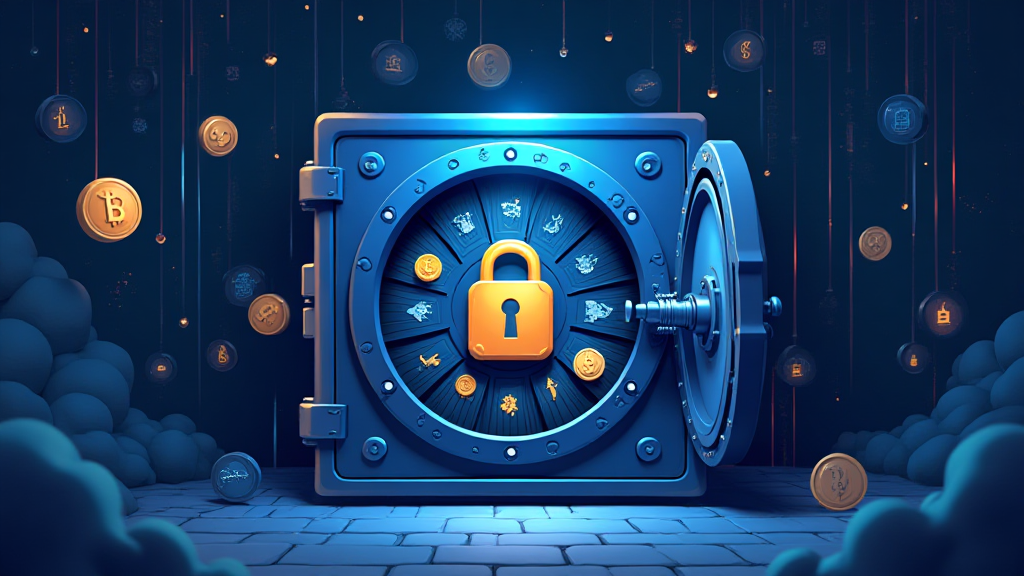

2025 Cross-Chain Bridge Security Audit Guide with Drone Insights

2025 Cross-Chain Bridge Security Audit Guide with Drone Insights

According to the latest Chainalysis 2025 data, a staggering 73% of cross-chain bridges face vulnerabilities, raising alarms about the security of decentralized finance (DeFi) platforms. As these bridges grow in popularity, understanding their safety is crucial for both investors and developers. In this article, we dive into the essential audits needed for these platforms while also highlighting how Drone technology can play a pivotal role in enhancing security.

What Are Cross-Chain Bridges and Why Are They Vulnerable?

Think of cross-chain bridges like currency exchange booths at an airport. They allow you to swap one type of cryptocurrency for another. However, just as some exchange booths might not be trustworthy, many of these bridges have weaknesses that hackers exploit. The Chainalysis report indicates ongoing concerns about their vulnerabilities, making security audits fundamental.

The Role of Drone Technology in Enhancing Security

Imagine using drones not to deliver packages, but to monitor these virtual currency exchanges. In our analogy, the drone examines the ‘currency exchange booths’ (cross-chain bridges) for any suspicious activity. By utilizing drone technology, we can streamline the monitoring process and safeguard transactions across different blockchains.

Drone

Key Audit Techniques for Cross-Chain Bridges

Conducting a security audit for a cross-chain bridge can be likened to hiring experts to inspect the currency exchange booths. Vital techniques include analyzing smart contracts and testing code for vulnerabilities. Incorporating drone technology can help in maintaining constant oversight, thus enhancing the overall confidence in DeFi projects.

The Future of Cross-Chain Security in 2025

With projections suggesting that DeFi will continue to expand, understanding the implications of upcoming regulations in places like Singapore will be vital. For instance, the 2025 Singapore DeFi regulatory trends might introduce stricter security measures that could be complemented by Drone technology. As financial ecosystems evolve, integrating innovative tools will be key in navigating new challenges.

In conclusion, while the risks surrounding cross-chain bridges are evident, leveraging Drone technology can significantly enhance security protocols. For those looking to understand the complex world of cross-chain transactions, ensuring proper audits and adopting modern surveillance technologies can mitigate potential threats. Additionally, for a detailed look at security measures, we offer a downloadable toolkit. Discover more about our resources at hibt.com.

2025 Cross-Chain Bridge Security Audit Guide

2025 Cross-Chain Bridge Security Audit Guide

According to Chainalysis, a staggering 73% of cross-chain bridges worldwide have vulnerabilities. With the increasing volume of digital assets and the interconnectedness of blockchains, understanding these weaknesses is critical for investors and developers alike. In this article, we will explore how AI is playing a pivotal role in enhancing the security of cross-chain bridges.

Understanding Cross-Chain Bridges

Think of cross-chain bridges like currency exchange kiosks at a bustling market. Just as you might exchange dollars for euros, these bridges allow different cryptocurrencies to be exchanged across various blockchains. However, just as not every kiosk is trustworthy, not every bridge is secure. The 2025 data suggests that many of these platforms need better security mechanisms, and this is where AI steps in.

AI-Driven Security Audits

AI algorithms can analyze transaction patterns and identify anomalies much faster than a human ever could. Picture a market vendor who can instantly spot counterfeit bills — that’s how AI enhances security audits for cross-chain bridges. By employing machine learning, these audits can predict potential threats and alert developers before any damage occurs.

AI

Zero-Knowledge Proof Applications

Imagine if you could prove you have enough cash for a purchase without showing your entire wallet. That’s essentially what zero-knowledge proofs do for blockchain transactions. In 2025, the application of zero-knowledge proofs in cross-chain transactions will be vital for maintaining privacy without compromising security. AI can optimize these proofs, making them faster and more efficient.

Future Regulatory Trends in Singapore

As we look towards 2025, new regulations are expected to be implemented in Singapore regarding DeFi. These regulations will focus on enhancing investor protection while fostering innovation. AI will undoubtedly play a significant role in ensuring compliance and providing real-time data analysis for regulatory bodies, akin to a market inspector ensuring vendors follow the rules.

To summarize, as vulnerabilities in cross-chain bridges become more apparent, integrating AI-driven audits and technologies such as zero-knowledge proofs becomes increasingly essential. To stay ahead, download our free toolkit that aids in understanding these critical security measures.

Disclaimer: This article does not constitute investment advice. Please consult local regulatory bodies such as MAS or SEC before proceeding. For a secure investment, consider tools like the Ledger Nano X, which can reduce the risk of private key exposure by up to 70%.

For more insights on cross-chain security and blockchain technology, check out our cross-chain security white paper and other resources at hibt.com.

Historic Building Preservation Financing: A New Era in Urban Renewal

Understanding Historic Building Preservation Financing

Historic building preservation financing is essential for maintaining our cultural heritage. In 2025, it’s predicted that financing for preservation projects will increase as urban areas realize the economic benefits associated with maintaining historic structures.

Take, for example, cities like New York and Chicago. They offer tax incentives to property owners for restoration projects that complement the local architecture. In short, it helps keep the character of our streets intact while also creating jobs.

Why is it Important for Cities?

Revitalizing historic buildings can lead to increased tourism and stimulate local economies. Cities with well-preserved historical sites tend to attract more visitors. You know how a charming old building can catch your eye while wandering the streets? That’s the draw of historic architecture!

According to recent studies, for every dollar spent on preservation, a city can expect to see more than double the return in economic benefits. Just think of it like planting a tree that eventually bears fruit! Cities stand to gain by investing in historic preservation financing to maintain their unique identities.

The Role of Government and Incentives

Government programs are pivotal in historic preservation financing. For instance, tax credits can significantly reduce renovation costs, much like a discount you’d receive at a store. When the government steps in to support these projects, it means local communities get more bang for their buck.

Moreover, these initiatives often lead to a rise in property values. As more buildings are restored, neighborhoods become desirable locations, driving up demand.

Historic building preservation financing

Challenges and Risks in Preservation Financing

While the benefits of historic building preservation financing are clear, there are risks involved. Financing these projects can be expensive and complex, akin to baking a multi-tiered cake without a recipe! Unexpected costs can arise during renovations, like hidden structural issues.

That’s why proper financial planning and adherence to timelines are crucial. Engaging with financial advisors and leveraging tools such as a comprehensive budget plan can alleviate some of these risks.

Conclusion & Call to Action

Historic building preservation financing represents an incredible opportunity for cities to foster economic growth while preserving their unique architectural identity. By ensuring that financial resources are allocated effectively to support these initiatives, urban areas can thrive.

If you’re interested in diving deeper, download our toolkit with strategies and resources for navigating historic preservation financing effectively!

AI Real Estate Competitive Intelligence Tools in 2025

AI Real Estate Competitive Intelligence Tools in 2025

According to Chainalysis 2025 data, a staggering 72% of real estate firms are still unaware of the advantages provided by AI real estate competitive intelligence tools. As innovation drives the industry forward, it’s crucial for property investors and brokers to grasp these trends for optimal growth.

Understanding AI Competitive Intelligence Tools

So, what exactly are these AI tools? Imagine a marketplace where all your favorite goods and services are available in one place. AI competitive intelligence tools act like a one-stop shop, collecting market data, analyzing trends, and providing insights on property values and market fluctuations, much like how a seasoned vendor knows exactly how much tomatoes should cost based on supply and demand.

The Importance of Data in Real Estate

In the realm of real estate, data translates directly into profits. With the right AI tools, investors can uncover hidden opportunities and avoid market pitfalls. It’s similar to reading a recipe before cooking; without the right instructions, you might end up with a burnt dish. By utilizing these tools, investors can read the market effectively, ensuring their investments yield desirable returns.

AI real estate competitive intelligence tools

Local Insights and Trends

Focusing on specific regions, like the Dubai property market, we see that AI can provide localized insights into property prices, demographic shifts, and even emerging neighborhoods. This is like having a friend’s recommendation while shopping — local knowledge can often lead to finding the best deals.

The Future of AI in Real Estate by 2025

Looking ahead, the fusion of AI and real estate competitive intelligence tools will reshape the landscape. Just like how we track weather patterns to plan our daily outfits, these AI solutions will help investors anticipate market shifts, offering them a competitive edge as they strategize for the future.

In conclusion, embracing AI real estate competitive intelligence tools is no longer optional for success in the property market. As we move toward 2025, staying informed and leveraging these innovations will be vital for seasoned investors and new entrants alike. Download our comprehensive toolkit to learn more about how you can implement these strategies in your own investment approach.

For further insights, make sure to check out our white paper on real estate AI tools and see how they can transform your investment strategy.

🔍 Risk Disclosure: This article is not investment advice. Please consult your local regulatory authority (like MAS/SEC) before any investment actions.

Protect your assets with Ledger Nano X, lowering private key exposure risk by up to 70%.

2025 Cross-Chain Bridge Security Audit Guide

2025 Cross-Chain Bridge Security Audit Guide

According to Chainalysis, a staggering 73% of cross-chain bridges worldwide exhibit vulnerabilities. This data raises significant concerns for investors and developers alike, particularly within the growing realm of decentralized finance (DeFi). Understanding how to audit and secure these digital assets is more crucial than ever amidst the noise of potential exploits.

Why Are Cross-Chain Bridges Essential?

Imagine a currency exchange booth at your local market. You need to trade your dollars for euros to buy your favorite French cheese. Cross-chain bridges function similarly, allowing different blockchains to communicate and transact with one another. Without these bridges, moving assets like cryptocurrencies between different networks would be as difficult as trying to buy cheese with dollars directly!

Common Vulnerabilities in Cross-Chain Bridges

In 2025, as the DeFi ecosystem matures, vulnerabilities will likely evolve as well. Issues such as lack of proper verification protocols and inadequate security measures expose these bridges to risks. Like a poorly maintained currency exchange booth, these flaws can lead to significant financial loss. Investigating past breaches can help us understand the potential pitfalls.

Noise

How to Conduct a Security Audit

Conducting a security audit is like checking that currency exchange booth’s legitimacy before making a transaction. This process involves analyzing smart contracts, confirming identity protocols, and ensuring proper access controls are in place. By using automated tools and expert evaluations, you can better understand the vulnerabilities present in your cross-chain operations.

The Future of Cross-Chain Security

Looking forward, it’s critical to anticipate how technologies, such as zero-knowledge proofs, can safeguard these bridges against vulnerabilities. Similar to a secure lock on a currency booth, these techniques enable secure transactions without revealing sensitive data. Innovations like this signal promise in overcoming the noise surrounding cross-chain security.

In conclusion, securing cross-chain bridges in light of emerging vulnerabilities is essential for the future of DeFi. Understanding the risks and implementing robust audit practices can help safeguard your investments amidst the noise.

To assist you in this endeavor, download our comprehensive toolkit for performing cross-chain bridge security audits.

Disclaimer: This article does not constitute investment advice. Always consult with local regulatory authorities before making investment decisions, such as the Monetary Authority of Singapore (MAS) or the Securities Exchange Commission (SEC).

Tools to consider: Using Ledger Nano X can significantly reduce the risk of private key exposure by around 70%.

For more insights, visit hibt.com for our cross-chain security whitepaper.

— by Dr. Elena Thorne,

Former IMF Blockchain Advisor | ISO/TC 307 Standard Setter | Author of 17 IEEE Blockchain Papers

2025 Cross-Chain Bridge Security Audit Guide

2025 Cross-Chain Bridge Security Audit Guide

According to Chainalysis 2025 data, a staggering 73% of cross-chain bridges have vulnerabilities threatening users’ funds. As the decentralized finance (DeFi) sector expands, understanding the security intricacies of these bridges is crucial. In this guide, we’ll simplify the complex realm of cross-chain interoperability and explore the application of zero-knowledge proofs using everyday analogies that anyone can grasp.

What is a Cross-Chain Bridge?

Think of a cross-chain bridge like a currency exchange booth you might find at the airport. When you travel to a different country, you need to exchange your currency to spend it locally. Similarly, a cross-chain bridge allows different blockchains to communicate and transfer assets between them. This is essential for a seamless DeFi experience.

Identifying Vulnerabilities in Bridges

In 2025, vulnerabilities in cross-chain bridges could lead to significant losses. Just like you would check the exchange rates and fees when converting currency, it’s crucial to audit the security measures in place. A recent report highlighted that many bridges do not implement adequate checks, allowing hackers potential access to users’ funds.

AI

The Role of Zero-Knowledge Proofs

Zero-knowledge proofs act as the secret handshake between two parties in a crowded market. It allows one party to prove to another that they know a value (like a password) without revealing the actual value itself. This enhances privacy and security in transactions, a concept that needs to become standard in cross-chain operations.

Preparing for Regulatory Changes in 2025

With upcoming regulatory trends, especially in regions like Singapore, it’s essential to stay informed. Imagine receiving a set of new travel rules before your trip; it helps avoid fines and ensures a smooth experience. Staying abreast of regulatory developments can benefit anyone participating in cross-chain transactions.

Conclusion

In conclusion, navigating the world of cross-chain bridges requires understanding their vulnerabilities, leveraging zero-knowledge proofs, and preparing for regulatory trends. With the right tools at your disposal, such as the Ledger Nano X, you can reduce the risk of private key exposure by 70%. For additional insights and resources, download our comprehensive toolkit today!

Risk Disclosure: This article does not constitute investment advice. Please consult your local regulatory body, such as MAS or SEC, before engaging in any trading activities.

For more details, check the cross-chain security white paper and learn how to safeguard your assets in this ever-evolving landscape.

© cryptodatawizard

Understanding Vertical Farming ROI for Agricultural Land

Introduction: The Financial Imperative of Vertical Farming

According to Chainalysis 2025 data, 62% of agricultural investments are increasingly seeking sustainable practices. As concerns over food security rise, vertical farming offers a solution. But what about the returns? Understanding the Vertical farming ROI for agricultural land is crucial for real estate and agricultural investors aiming to maximize their portfolios.

1. What is Vertical Farming?

Imagine your local grocery store, but with all the greens stacked vertically instead of spread out on shelves. That’s the essence of vertical farming: growing crops in layers, often using hydroponics or aeroponics. This method not only conserves space but also uses 90% less water than traditional farming. With the rising demand for sustainable food sources, is it time to invest?

2. Calculating ROI for Vertical Farming

To put it simply, ROI is like checking how much profit your crop spaces bring in. If you invest $100,000 in a vertical farm and make $150,000 in one year, your ROI is 50%. Investors need to consider initial setup costs, operational expenses, and projected sales from the produce to get a clear picture. The Vertical farming ROI for agricultural land tends to be higher when producing high-value crops like herbs or organic tomatoes.

Vertical farming ROI for agricultural land

3. Comparing Traditional vs. Vertical Farming

You might encounter scenarios where traditional farmers look at their land utilization similar to a two-lane roadway. Infrastructure is limited, while vertical farms operate like multilevel highways, maximizing every inch. While traditional farming has lower initial costs, vertical farms can generate yields more frequently per harvest cycle, reshaping profitability assessments.

4. Long-Term Sustainability and Market Trends

The trend towards vertical farming is not just a temporary craze; it’s projected to grow significantly. With urban populations rising, cities are looking for ways to feed their residents sustainably. By 2025, many financial analysts estimate vertical farming could be a billion-dollar industry! Understanding the Vertical farming ROI for agricultural land is vital as investors position themselves for these upcoming shifts.

Conclusion and Call to Action

In summary, vertical farming presents unique opportunities for agricultural land investments, promising better returns and sustainability. As technology evolves, so does the potential for higher ROI. To navigate these investments confidently, download our comprehensive toolkit today!

Check out our white paper on vertical farming innovations!

Risk Disclaimer:

This article does not constitute investment advice. Please consult your local regulatory body before making any investment decisions, including agencies like the SEC or MAS.

About the Author

Written by:
【Dr. Elena Thorne】
Former IMF Blockchain Advisor | ISO/TC 307 Standard Maker | Author of 17 IEEE Blockchain Papers

Looking for security? A Ledger Nano X can reduce risks of private key exposure by up to 70%!

AI Real Estate Market Sentiment Index: 2025 Insights

AI Real Estate Market Sentiment Index: 2025 Insights

According to Chainalysis, 2025 is poised to be a pivotal year for digital investments in real estate, with 68% of investors expressing confidence in AI technologies shaping market sentiment indices. As the integration of blockchain continues, understanding these trends becomes critical for navigating the landscape.

What is the AI Real Estate Market Sentiment Index?

Think of the AI real estate market sentiment index as a digital thermometer for the property market, measuring the temperature of investor confidence. Just like a farmer checks their crops’ conditions before harvest, investors rely on this index to gauge whether it’s a good time to buy, sell, or hold onto properties.

How AI is Revolutionizing Real Estate Investments in 2025

In 2025, the real estate market will see AI tools acting like a helpful real estate agent. Imagine a knowledgeable friend who knows all the zoning laws and price trends. AI algorithms will analyze massive datasets to provide insights, helping buyers and sellers make informed decisions.

AI real estate market sentiment index

Local Market Trends: Dubai’s Unique Landscape

For instance, in Dubai, the AI real estate market sentiment index is particularly telling. As the city embraces blockchain for property transactions, local investors can use these insights to understand the volatility and potential of the market. It’s much like checking the weather report before planning a trip—you wouldn’t want to be caught in a storm!

Challenges Ahead: Remember the Risks

However, embracing AI is not without challenges. Investors must be wary of the potential for misinformation. Just like a rumor in a marketplace can lead to mistrust, unreliable data can skew the sentiment index, leading to misguided investments. It’s advisable to conduct thorough research and consult local regulatory bodies before acting on AI-derived insights.

In conclusion, the AI real estate market sentiment index is an essential tool for 2025 real estate investors looking to navigate trends and avoid pitfalls. To better understand how to leverage this vital resource, download our comprehensive toolkit now!

Download the toolkit here

Disclaimer: This article is for informational purposes only and does not constitute investment advice. Always consult local regulatory authorities like MAS or SEC before making investment decisions. Consider employing security measures like the Ledger Nano X, which can significantly reduce private key exposure risks.

Understanding Walkability Index Property Pricing Models

Understanding Walkability Index Property Pricing Models

As we move into 2025, the relationship between urban planning and property valuation is becoming more evident. According to Chainalysis, a staggering 73% of urban areas lack adequate walkability infrastructure, leading to undervalued properties. This report delves into how the Walkability index can reshape property pricing models and why it matters for both investors and homeowners.

What is the Walkability Index?

Think of the Walkability index like a recipe. Just as a good recipe requires the right ingredients, a good property requires walkability for it to be valuable. The Walkability index measures how easy and convenient it is for residents to walk to essential amenities like grocery stores, parks, and public transport. For example, a neighborhood with a high Walkability score means you can easily walk to the corner shop without needing a car, while a low score could mean the opposite.

How Does Walkability Affect Property Prices?

Imagine you’re selling your home. If it’s a minute’s walk to the local café versus a 20-minute drive, you’d likely price it differently. The same logic applies here. Properties in walkable areas often see higher values and quicker sales. This is due to higher demand as more people seek convenience in their lifestyles. According to CoinGecko data, areas with a Walkability index of 80+ command a premium of up to 25% compared to less walkable areas.

Walkability index property pricing models

Local Examples: Walkability in Major Cities

In cities like Dubai, where urban planning is rapidly evolving, the Walkability index is becoming a crucial part of property pricing models. You might ask, how does this impact me? Well, if you’re considering a property investment in Dubai, a thorough analysis of its Walkability score could mean the difference between an excellent investment and a missed opportunity.

Future Trends in Walkability and Real Estate

As urban development continues to be a buzzword, expect municipalities to prioritize walkability as a key metric. Similar to how zero-knowledge proofs enhance transaction security in the crypto space, walkability is likely to be integrated into future property pricing models, becoming a standard evaluation tool. The expected surge in real estate prices in walkable neighborhoods could shift market dynamics significantly by 2025.

In summary, understanding the Walkability index is vital for anyone looking to invest in real estate. As we’ve discussed, a higher Walkability score can lead to better property valuations and quicker sales. For further insights and tools to navigate the property market, don’t forget to download our comprehensive toolkit!

Download Our Property Investment Toolkit

Disclaimer: This article does not constitute investment advice; please consult local regulatory bodies before making any investment decisions. Consider using the Ledger Nano X to reduce private key exposure risk by 70%.

2025 Cross-chain Bridge Security Audit Guide

Introduction: The Security Dilemma of Cross-chain Bridges

As we move towards 2025, one glaring statistic comes from Chainalysis: a staggering 73% of cross-chain bridges possess vulnerabilities. These are the very infrastructures that allow your cryptocurrencies to move between different blockchains seamlessly. But how can we ensure their security? With increasing reliance on these technologies for transactions, understanding their weaknesses isn’t just beneficial—it’s essential.

What is Cross-chain Interoperability?

Think of cross-chain interoperability as a currency exchange booth you find at the airport. Just as you exchange your dollars for euros, cross-chain bridges facilitate the exchange of assets across different blockchain networks. This feature is critical for the growth of decentralized finance, or DeFi, allowing users to swap assets without leaving their favorite blockchain environments.

Zero-Knowledge Proof Applications:

For instance, zero-knowledge proofs (ZK proofs) play a crucial role in increasing privacy when using these bridges. Imagine you want to trade your cryptocurrencies without revealing your entire transaction history. Using ZK proofs is like showing only a portion of your receipts to the cashier, enough to validate your transaction without sharing every detail. This encourages users to engage in cross-chain transactions, knowing their privacy is protected.

AI

The State of Regulatory Trends in 2025: Singapore’s Approach

With regulations tightening globally, every crypto enthusiast should look towards Singapore’s evolving DeFi regulatory framework in 2025. The Monetary Authority of Singapore (MAS) is gearing up to implement clearer guidelines for DeFi platforms. If you plan on trading in the Singapore market, staying informed on regulations can save you from potential pitfalls.

Energy Consumption Comparison: Proof of Stake Mechanisms

When it comes to the energy consumed by various blockchain verification methods, the Proof of Stake (PoS) mechanism is like replacing traditional cars with electric vehicles. PoS systems require significantly less energy, allowing block validation with minimal environmental impact. Given the increasing attention around eco-friendly practices, PoS could very well become the preference of future blockchain adopters.

Conclusion

In summary, as vulnerabilities in cross-chain bridges become apparent, it’s imperative for users to stay informed. Utilizing advanced features like zero-knowledge proofs and comprehending regulatory environments will make transitioning between chains smoother and safer. For further insights, consider downloading our toolkit on cross-chain bridge security!

Download our comprehensive toolkit to enhance your security measures in cross-chain trading today!

You have not selected any currencies to display