
Navigating Vietnam Blockchain Portfolio Rebalancing: Key Strategies

Navigating Vietnam Blockchain Portfolio Rebalancing: Key Strategies

As we approach 2025, the rise of blockchain technology has brought about significant challenges and opportunities for investors. Recent data from Chainalysis revealed that 73% of cross-chain bridges worldwide are vulnerable, highlighting the need for effective portfolio management strategies. In Vietnam, the relevance of blockchain portfolio rebalancing is becoming increasingly evident, making it essential for investors to understand how to navigate this dynamic landscape.

Understanding Portfolio Rebalancing

Imagine you have a basket of fruits, consisting of apples and oranges. Over time, if the apples grow a lot while the oranges remain stagnant, you’ll end up with too many apples. This is akin to portfolio imbalance. In the crypto sphere, effective portfolio rebalancing ensures that your investments in various cryptocurrencies remain aligned with your financial goals. Regularly adjusting your asset allocation prevents unexpected losses and optimizes for returns.

The Importance of Cross-chain Interoperability

Cross-chain interoperability is like a currency exchange hut where you can swap different currencies easily. In blockchain, this allows different networks to communicate and share assets effectively. In Vietnam, with the emergence of projects utilizing cross-chain solutions, investors can diversify their portfolios more effectively. By leveraging this technology, investors can access opportunities across various blockchains, potentially enhancing returns while managing risks better.

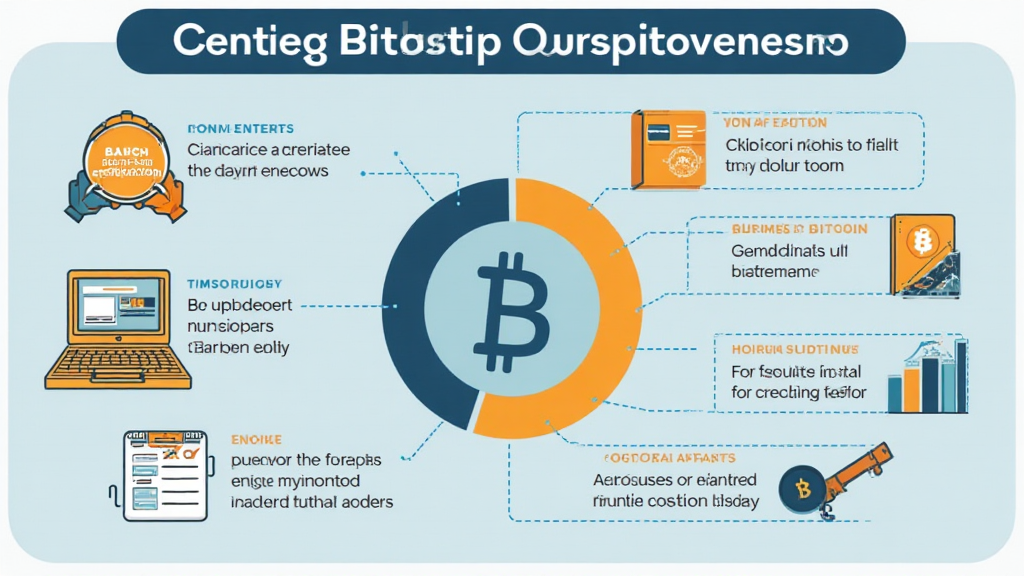
Vietnam blockchain portfolio rebalancing

Zero-Knowledge Proof Applications

Think of zero-knowledge proofs as a secret recipe that you can prove is correct without revealing the recipe itself. Similarly, this technology allows one party to prove they possess certain information without sharing it, enhancing privacy. In Vietnam, the integration of zero-knowledge proof applications in blockchain systems is set to revolutionize transaction confidentiality. For investors, this adds an extra layer of security, making portfolio rebalancing strategies more robust against potential breaches.

Future Trends in Vietnam’s Blockchain Market

Looking ahead, Vietnam’s blockchain market is set to witness substantial developments. With increasing regulatory scrutiny and evolving technologies, the landscape presents both risks and rewards. Investors should stay informed about trends such as DeFi regulations in Singapore, which can influence market movements locally. Engaging with community resources can also provide insights into potential shifts in investment strategies.

In summary, Vietnam blockchain portfolio rebalancing is critical in today’s fast-evolving market. By understanding the fundamentals of portfolio management, embracing cross-chain interoperability, leveraging zero-knowledge proof applications, and keeping an eye on future trends, investors can optimize their blockchain investments effectively.

For more resources and tools to aid your investment strategy, download our comprehensive toolkit today!

2025 Cross-Chain Security Audit Guide with HIBT Risk Management Frameworks

2025 Cross-Chain Security Audit Guide with HIBT Risk Management Frameworks

According to Chainalysis 2025 data, a staggering 73% of cross-chain bridges are vulnerable. As DeFi continues to grow, ensuring security in these critical infrastructures is paramount. In this guide, we’ll delve into HIBT risk management frameworks and how they can prevent vulnerabilities.

What Are Cross-Chain Bridges?

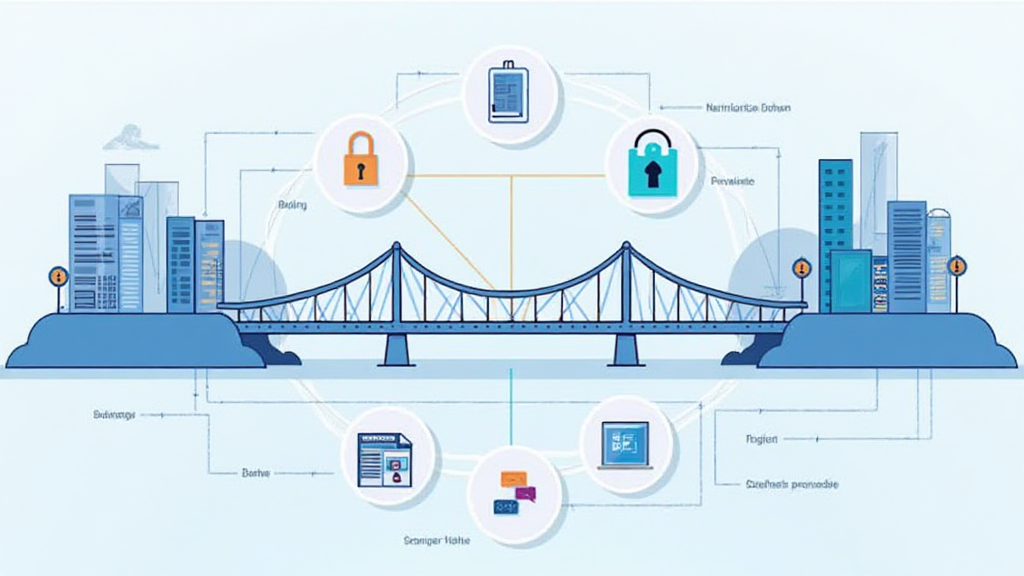
Imagine cross-chain bridges like currency exchange booths at an airport. Just as you would swap your dollars for euros, cross-chain bridges allow different blockchain networks to communicate and transact. However, just like these booths can be targets for thieves, so can cross-chain bridges.

Why Do We Need HIBT Risk Management Frameworks?

Using HIBT risk management frameworks is akin to installing security cameras at our currency exchange booths. These frameworks offer structured methodologies to assess potential vulnerabilities, ensuring that funds remain secure and transactions are trustless.

HIBT risk management frameworks

How to Conduct a Security Audit?

Conducting a security audit can seem daunting, but think of it as a routine check-up. Just like your doctor evaluates your vital signs, an audit examines your protocols and contracts. Utilize tools like code analysis and mock attacks to ensure your systems are robust against threats.

What’s Next for Cross-Chain Security?

As we move closer to 2025, advancements in solutions like zero-knowledge proofs will provide even greater security. These innovative protocols allow transactions to be verified without revealing sensitive information, much like sharing a secret passcode without giving away your bank details.

In conclusion, incorporating HIBT risk management frameworks is essential for safeguarding your DeFi investments from unwanted breaches. Download our comprehensive toolkit to equip yourself with the necessary resources for a secure future in crypto.

Visit hibt.com to access the white paper on cross-chain security and learn more about our resources.

Risk Disclaimer: This article is for informational purposes only and does not constitute investment advice. Please consult your local regulatory authority (like MAS/SEC) before making any financial decisions.

Tool Recommendation: Using Ledger Nano X can reduce the risk of private key exposure by up to 70%.

Understanding Bitcoin Credit Scoring Models in 2025

Understanding Bitcoin Credit Scoring Models in 2025

According to Chainalysis data in 2025, a staggering 73% of cryptocurrency transactions lack transparency, leading to potential risks for both investors and platforms. One promising solution is the emergence of Bitcoin credit scoring models, which aim to gauge the reliability of users in the Bitcoin ecosystem.

What Are Bitcoin Credit Scoring Models?

Now, let’s break it down. Think of Bitcoin credit scoring models like a trustworthiness score for buyers and sellers. Just like how you might check a vendor’s rating at a market before deciding to buy from them, these models assess the behavior of Bitcoin users to establish trust levels. In this way, they can help in minimizing risks associated with fraud and defaults, creating a safer environment for transactions.

How Can Bitcoin Credit Scoring Enhance Trust?

By utilizing data analytics and on-chain metrics, these models behave like a security checkpoint at the market entrance, ensuring only those with credible histories can freely buy or sell. Imagine if you had a tool that highlighted how often someone reneged on a deal; that’s how these models work, informing you about the reliability of a potential trading partner.

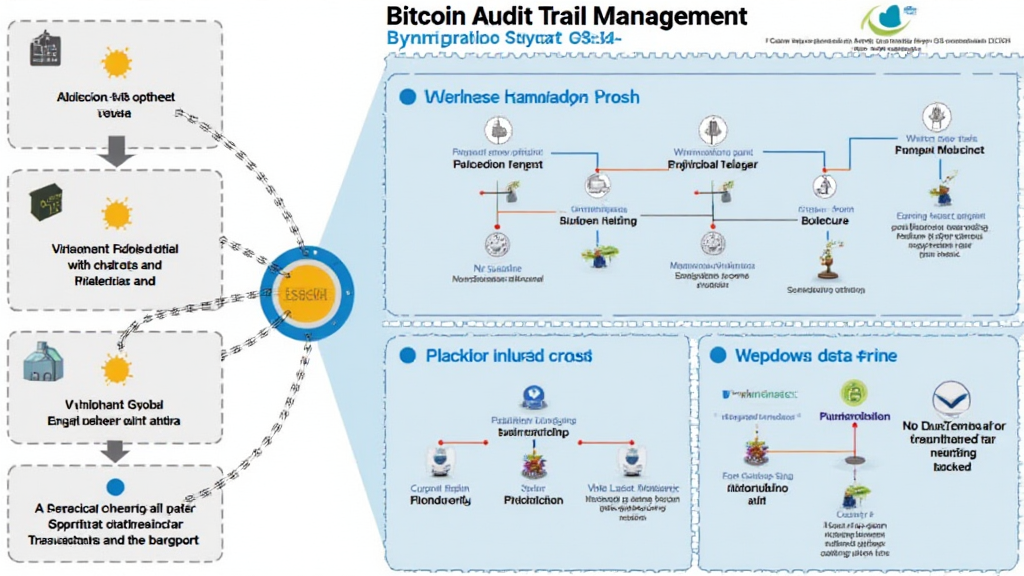
Bitcoin credit scoring models

The Role of Zero-Knowledge Proofs in Credit Scoring

Ever heard of zero-knowledge proofs? They’re akin to showing your ID without giving away personal information. In Bitcoin credit scoring, these proofs can confirm a user’s creditworthiness without revealing all their transaction history. This is especially crucial for privacy-conscious users worried about their data leaking into the wrong hands.

Why Is 2025 Important for Financial Regulations?

As countries like Singapore draft new regulatory frameworks for DeFi, understanding Bitcoin credit scoring models will become indispensable. If you’ve been following the crypto landscape, you likely know about evolving regulations—a bit like how local health codes govern food safety at stalls. Staying ahead means knowing how these models can ensure compliance while securing your investments.

In summary, Bitcoin credit scoring models hold the potential to reshape how trust is established in the cryptocurrency industry, enabling safer transactions amid a rapidly evolving regulatory environment. For further insights, you can download our detailed toolkit to navigate the crypto landscape effectively.

Risk Disclaimer: This article does not constitute investment advice. Always consult with local regulatory authorities such as MAS or SEC before making financial decisions. Consider investing in tools like Ledger Nano X to reduce private key exposure risks by up to 70%.

For more detailed resources, check out our white paper on cross-chain security and discover more about securing your cryptocurrency transactions.

Written by: Dr. Elena Thorne
Former IMF Blockchain Advisor | ISO/TC 307 Standards Developer | Published 17 IEEE Blockchain Papers