
2025 Cross-Chain Bridge Security Audit Guide

Introduction: The Vulnerability of Cross-Chain Bridges

According to Chainalysis 2025 data, a staggering 73% of cross-chain bridges have vulnerabilities that could compromise user assets. These bridges, which enable different blockchain networks to communicate, are critical for the growing DeFi landscape. But frequent hacks and exploits raise significant concerns for developers and investors alike.

Understanding Cross-Chain Bridges: A Market Stall Analogy

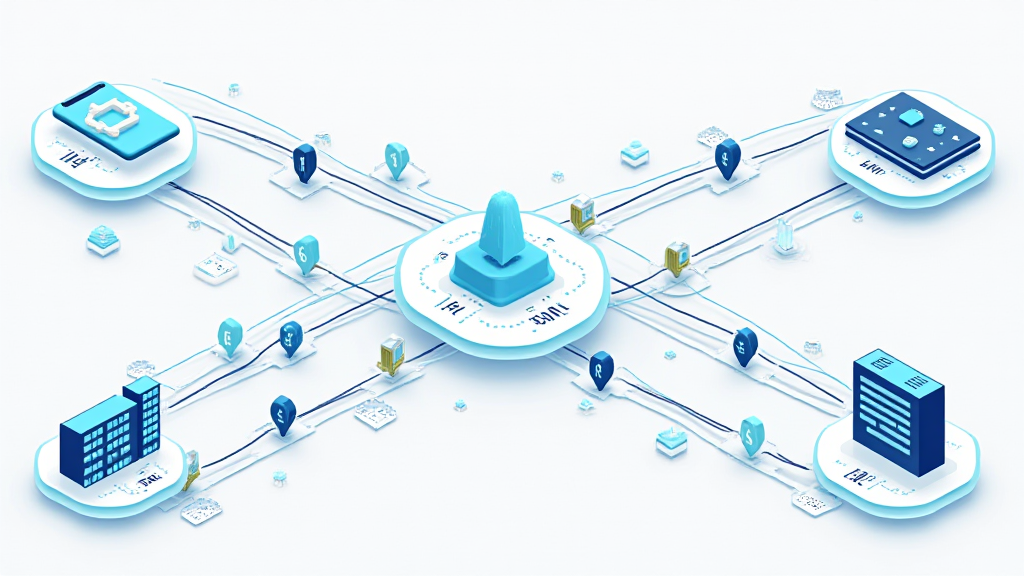
Think of cross-chain bridges like currency exchange booths at a market. Just as currency exchanges allow you to swap dollars for euros, cross-chain bridges enable the transfer of tokens and assets between differing blockchain ecosystems. However, just like some exchange booths might not be trustworthy, many cross-chain bridges are exploited due to security flaws.

Decoding Zero-Knowledge Proof Applications in Security

So, how does Zero-Knowledge Proof (ZKP) come into play? Imagine you need to prove you’re old enough to buy a ticket but don’t want to share your exact age. ZKP allows you to prove your age without revealing your birthdate. In blockchain, ZKP enhances privacy and security, ensuring that transactions are legitimate without exposing sensitive data. This could be a game-changer for cross-chain transactions in evolving markets like Dubai.

Pet

Energy Consumption Comparison: Proof of Stake vs. Others

You might have heard of Proof of Stake (PoS) and its energy efficiency compared to traditional Proof of Work (PoW). Think of mining in PoW as running a marathon, consuming immense resources, while PoS is more like a casual walk in the park. As environmental concerns rise, especially with 2025 regulatory trends in Singapore focused on energy efficiency, PoS mechanisms will play a vital role in the future of blockchain.

Conclusion: Secure Your Investments

In summary, the landscape of cross-chain bridges is fraught with vulnerabilities, but technologies like ZKP and PoS offer solutions to enhance security and sustainability. To further protect your assets, consider using tools like Ledger Nano X, which can reduce the risk of private key exposure by up to 70%.

Download our toolkit on enhancing blockchain security.

This article does not constitute financial advice; please consult local regulatory bodies such as MAS or SEC before making investment decisions.

2025 Cross-Chain Bridge Security Audit Guide

2025 Cross-Chain Bridge Security Audit Guide

According to Chainalysis data from 2025, a staggering 73% of cross-chain bridges have vulnerabilities. This statistic raises concern in the world of decentralized finance (DeFi) where cross-chain interoperability is becoming essential. But how can users protect themselves in this rapidly evolving landscape? This guide provides insights into securing your assets effectively.

Understanding Cross-Chain Interoperability

Imagine you’re at a currency exchange booth while traveling abroad—you need to swap your dollars for euros. Cross-chain bridges work similarly, allowing for the transfer of assets between different blockchain networks. Just as not every exchange provides a good rate, not every cross-chain bridge is secure. This section will explain the importance of evaluating the security of these bridges and what you can do to ensure safe transactions.

Identifying Vulnerabilities in Cross-Chain Bridges

Many users might wonder what kind of vulnerabilities to look for. Think of it like checking the security of a bank before depositing money. In the crypto world, a poorly coded smart contract is akin to a bank with weak defenses. Using reliable tools and methodologies to analyze risks is crucial. We’ll discuss practical steps that can help you spot weaknesses and safeguard your assets.

Co

Best Practices for Securing Your Cross-Chain Transactions

To secure your cross-chain transactions, it’s essential to adopt measures like multi-signature wallets, just like requiring multiple forms of ID for significant transactions. We’ll outline best practices, including tool recommendations and how Ledger Nano X can lower the risk of private key exposure by 70%. These practices can ensure peace of mind when trading across different chains.

The Future of Cross-Chain Security: Trends and Innovations

Looking ahead, the evolution of cross-chain security is tied to innovations in decentralized finance, including regulatory trends emerging in places like Singapore by 2025. Keeping an eye on these developments can help users navigate potential compliance issues while upgrading their approaches to security. This section covers the anticipated trends and what they mean for everyday investors.

In conclusion, as cross-chain interoperability becomes a pivotal part of the crypto ecosystem, understanding its security challenges becomes equally important. Protecting your assets now can save you from future headaches. Download our comprehensive toolkit to help you audit your cross-chain transactions and stay ahead of vulnerabilities.

Disclaimer: This article does not constitute investment advice. Always consult local regulatory agencies such as MAS or SEC before taking any actions.

AI Real Estate Market Competition Mapping in 2025

AI Real Estate Market Competition Mapping in 2025

According to Chainalysis data from 2025, a staggering 73% of market competitors lack effective AI applications, leaving them vulnerable in the rapidly changing real estate landscape. The race for innovation is more crucial than ever.

1. Understanding AI in Real Estate

So, what does AI really mean for the real estate market? You can think of AI as a smart assistant helping buyers and sellers navigate the crowded marketplace, much like how a weather app helps you decide when to leave the house. It enables more efficient transactions and helps identify potential risks before investing. By integrating AI-based tools, real estate agents can now predict market trends and competition like never before.

2. The Role of Competition Mapping

Just like farmers in a market need to know who their competitors are to price their goods appropriately, real estate professionals can use AI real estate market competition mapping to analyze and identify their competitors effectively. This involves using data analytics and algorithms to visualize competition patterns and sales strategies, making it easier for businesses to position themselves advantageously.

AI real estate market competition mapping

3. Long Term Implications for Buyers and Investors

For buyers and investors, understanding how AI impacts the real estate sector can be a game changer. You might have heard about property prices fluctuating; AI can help predict these changes by analyzing historical data and current trends. Think of it like a crystal ball that provides insights into where to invest next.

4. Implementing AI Tools: A Guide for Real Estate Agents

If you’re a real estate agent looking to adopt AI tools, consider it like choosing the best tools for a job. Just as a chef picks the right knives for cooking, selecting the right AI tools can dramatically influence your success. There are several software solutions tailored for real estate marketing that can give you a competitive edge and improve client interaction.

In conclusion, embracing AI real estate market competition mapping is imperative for staying ahead in the industry. Download our toolkit for more insights on how to benefit from AI technologies in real estate transactions.

[Download Toolkit]

Please note that this article does not constitute investment advice, and readers should consult local regulatory agencies such as the MAS or SEC before making financial decisions. Also, using a Ledger Nano X can help reduce the risk of private key leaks by up to 70%.

For more in-depth analysis, check our company resources on hibt.com.

You have not selected any currencies to display