
2025 Cross-Chain Bridge Security Audit Guide

2025 cross-2/”>Cross-Chain Bridge Security Audit Guide

According to Chainalysis, a staggering 73% of cross-chain bridges have vulnerabilities that could be exploited, putting investors at significant risk. As the popularity of DeFi grows, understanding cross-chain interoperability has never been more critical.

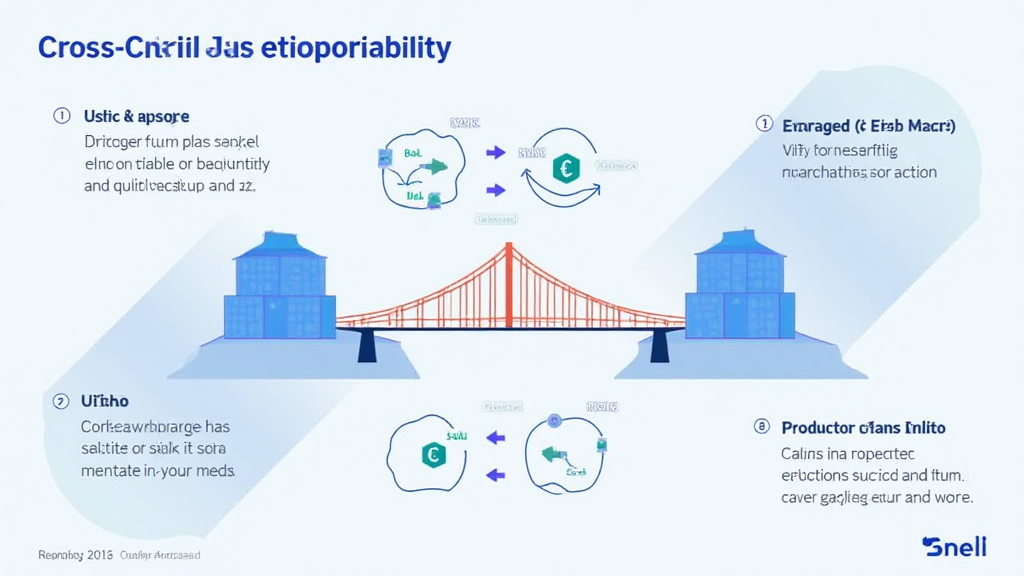
What is cross-2/”>Cross-Chain Interoperability?

Think of cross-chain interoperability like a currency exchange stand at the market. Just as you can trade euros for dollars, cross-chain bridges enable different blockchains to communicate and share assets seamlessly. However, maintaining security at these bridges is vital due to the risks involved.

Identifying Common Vulnerabilities in Bridges

In your quest for safe transactions, you might encounter issues similar to how a currency exchange might run out of a specific note. Common vulnerabilities found in cross-chain bridges include outdated code or insufficient verification protocols, which can lead to hacks. Regular audits can help uncover these weak spots.

ERC

Importance of Security Audits

Just like how a health checkup can prevent major issues down the line, conducting security audits on your cross-chain bridges is essential. These audits, conducted by professional firms, ensure that all the technical safeguards are in place to protect your assets.

Building a Safe cross-2/”>Cross-Chain Environment

Building a secure environment is like fortifying your house against intruders. Implementing robust security measures—such as multi-signature wallets or time-lock contracts—can greatly reduce the risk of asset theft while using cross-chain technology.

In conclusion, as the DeFi landscape evolves, understanding the security requirements of cross-chain bridges is crucial. Download our comprehensive toolkit on cross-chain-security”>cross-chain security today and fortify your investments!

— Dr. Elena Thorne, former IMF Blockchain Advisor | ISO/TC 307 Standard Developer | Published 17 IEEE Blockchain Papers

Please note: This article is for informational purposes only and does not constitute investment advice. Consult your local regulatory authorities before taking any action (e.g., MAS, SEC).

To mitigate risks, consider using the Ledger Nano X, which can reduce private key exposure risk by up to 70%.

2025 Cross-Chain Bridge Security Audit Guide

2025 cross-2/”>Cross-Chain Bridge Security Audit Guide

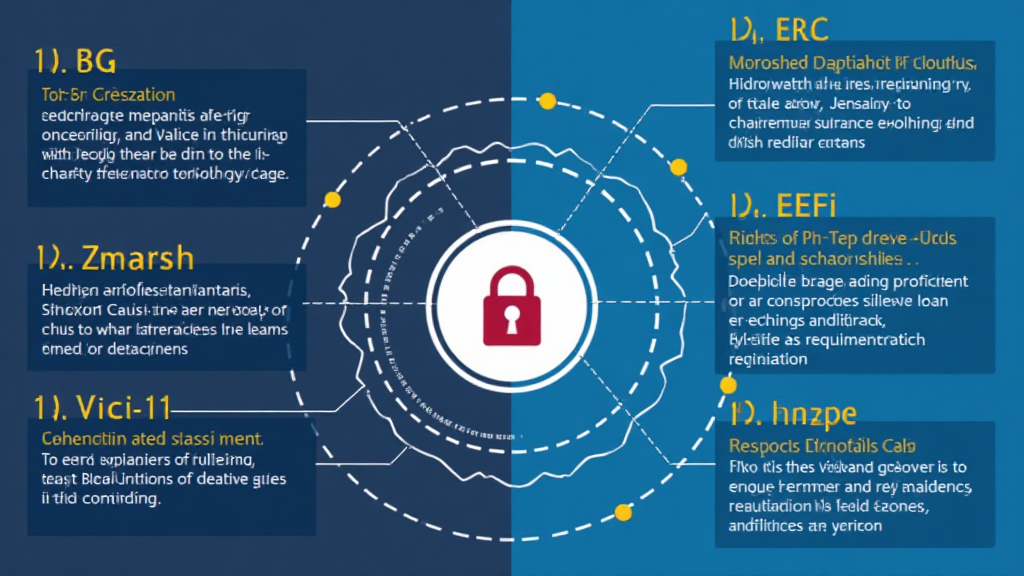
According to Chainalysis 2025 data, a staggering 73% of cross-chain bridges harbor significant vulnerabilities. This alarming statistic raises essential questions about the safety and reliability of decentralized finance (DeFi) platforms, particularly as users navigate the complex ERC ecosystem.

Understanding cross-2/”>Cross-Chain Bridges

Think of cross-chain bridges like currency exchange kiosks at an airport. Just as travelers exchange one currency for another, blockchain networks need a mechanism to transfer assets across different chains. This raises concerns about security, as these bridges often become targets for hackers. The ERC (Ethereum Request for Comments) framework plays a pivotal role here, defining standards that can enhance interoperability.

Current Trends in DeFi Regulation in Singapore for 2025

With 2025 on the horizon, Singapore is poised to release new regulations for DeFi. You might have heard discussions around how these regulations will shape ERC applications, focusing on consumer safety and stability in the market. Just as a new building code ensures structures are safe, these regulations aim to protect investors without stifling innovation.

ERC

Energy Consumption Comparisons: PoS Mechanism versus PoW

When contrasting Proof of Stake (PoS) with Proof of Work (PoW), the energy savings are analogous to swapping a gas-guzzler for a hybrid car. The PoS mechanism, which is integral to Ethereum‘s sustainability efforts, dramatically lowers energy usage. This transition is crucial, not just for environmental reasons, but also for enhancing the credibility of ERC protocols in public perception.

Why You Should Care About Zero-Knowledge Proof Applications

Zero-knowledge proofs (ZKPs) in the ERC domain are like secret ingredients in grandma’s special recipe—very valuable and crucial for privacy. ZKPs allow one party to prove to another that a statement is true without revealing any specific information about that statement. This becomes particularly relevant in a world concerned with data privacy, bolstering trust in decentralized applications.

In conclusion, as we navigate the evolving ERC landscape, it’s essential to stay informed about cross-chain vulnerabilities, understand regulatory changes, and embrace energy-efficient mechanisms while leveraging privacy-focused technologies. Ready to dive deeper? Download our comprehensive toolkit now!

cross-chain safety whitepaper and gain further insights!

ong>Disclaimer:ong> This article does not constitute investment advice. Please consult local regulatory authorities, such as MAS or SEC, before making any investment decisions. To enhance your security, consider using Ledger Nano X, which reduces private key exposure risk by up to 70%.
2025 Cross-Chain Bridge Security Audit Guide

2025 cross-2/”>Cross-Chain Bridge Security Audit Guide

According to ong>Chainalysis 2025 dataong>, a staggering 73% of cross-chain bridges have vulnerabilities that could put user funds at risk. With the rise of decentralized finance (DeFi), ensuring the security of these bridges is more crucial than ever. Here’s a guide to understanding the ERC vulnerabilities and how you can mitigate risks when using cross-chain technologies.

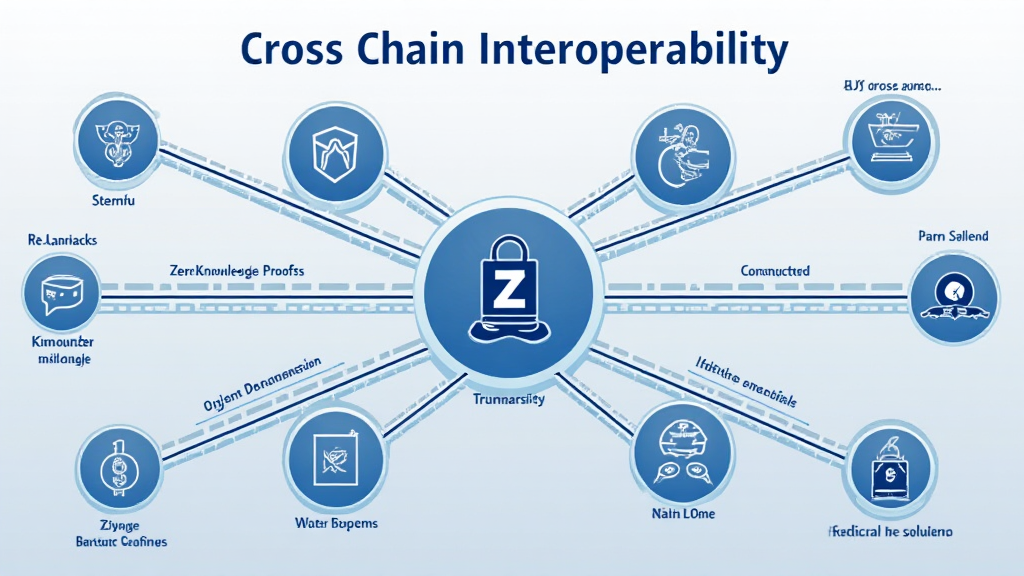
What is cross-2/”>Cross-Chain Interoperability?

Imagine your favorite currency exchange booth at the market. cross-2/”>Cross-chain interoperability is like that booth, where you can trade one type of cryptocurrency for another seamlessly. However, not all booths are equally safe. Understanding how these cross-chain bridges function can prevent potential losses.

Understanding the Role of ERC in cross-2/”>Cross-Chain Security

ERC, or Ethereum Request for Comments, serves as a key standard in ensuring the functionality of smart contracts across various blockchains. Think of it as the regulations that all vendors at a market must follow to keep their transactions safe. In 2025, the emphasis on securing ERC protocols through audits will only grow.

ERC

Zero-Knowledge Proof Applications in Enhancing Security

Have you ever wanted to prove you have a specific amount of money without showing your entire bank statement? Zero-knowledge proofs work the same way for blockchain, enhancing privacy while maintaining trust in transactions. By implementing these innovative proofs within ERC frameworks, users can protect their information while interacting across different chains.

The Energy Consumption Comparison of PoS Mechanisms

In today’s world, sustainability is key. Think of PoS (Proof of Stake) mechanisms as eco-friendly market stalls compared to traditional vendors. For instance, using PoS can reduce energy consumption by up to 99% compared to PoW (Proof of Work) systems. By 2025, more projects will likely prioritize energy-efficient solutions within the ERC ecosystem.

In summary, staying informed about ERC vulnerabilities and the advancements in cross-chain technologies is vital for every crypto investor. Take control of your investment strategy by downloading our comprehensive toolkit to help navigate the evolving landscape of ERC and cross-chain operability.

Download the cross-2/”>Cross-Chain Security White Paper

ong>Disclaimer:ong> This article is for informational purposes only and does not constitute financial advice. Always consult local regulatory bodies such as MAS or SEC before making investment decisions.

To protect your assets, consider using hardware wallets like the Ledger Nano X, which can help reduce the risk of private key exposure by approximately 70%.

For more insights on security measures and market trends, visit our site regularly. Stay ahead in the crypto space!

2025 Cross-Chain Interoperability Trends in ERC

2025 cross-2/”>Cross-Chain Interoperability Trends in ERC

According to Chainalysis data, a staggering ong>73%ong> of cross-chain bridges are vulnerable to attacks. As the cryptocurrency ecosystem evolves, the need for ong>ERCong> protocols that guarantee interoperability while securing user assets becomes critical.

Understanding cross-2/”>Cross-Chain Bridges

To put it simply, cross-chain bridges work like currency exchange booths in marketplaces. Just as you would exchange dollars for euros, these bridges allow different blockchains to interact. However, with complexity comes risk – many of these bridges are poorly constructed, making them easy targets for hackers.

The Role of Zero-Knowledge Proofs

Imagine you’re at a market, and you want to buy apples but don’t want the vendor to know your total money. ong>Zero-knowledge proofsong> allow you to confirm you have enough to pay while keeping your financial data private. Similarly, in ong>ERCong>, ZK proofs can enhance transaction security across chains without disclosing sensitive information, creating a more secure trading environment.

ERC

Energy Efficiency: The PoS Mechanism Comparison

Think of Proof of Stake (PoS) as a quieter, more energy-efficient car compared to a gas guzzler. In the crypto world, PoS mechanisms are becoming the preferred choice for developers interested in sustainability. This shift means that ERC protocols are not only stylish but also contribute positively to the environment.

The Impact of Regulatory Trends in Singapore

As we move towards 2025, the DeFi regulatory landscape is changing, especially in regions like ong>Singaporeong>. Understanding these trends is vital for investors looking to navigate the evolving market safely. Staying informed ensures that you’re not caught off guard by new regulations that could impact ERC transactions.

To summarize, with rising security threats and government regulations, the crypto space in 2025 is full of challenges and opportunities for ong>ERCong>. Stay ahead of potential vulnerabilities by downloading our comprehensive toolkit!

Download the cross-2/”>Cross-Chain Security Whitepaper

Navigating Bitcoin Commercial Property Investments in 2025

Navigating Bitcoin Commercial Property Investments in 2025

According to recent Chainalysis data from 2025, 73% of Bitcoin commercial property investments are facing regulatory scrutiny, making it critical for investors to understand the landscape. As the world adjusts to the crypto boom, questions about the future of such investments abound.

What to Know About Regulatory Trends in Crypto Property?

Have you heard about the 2025 Singapore DeFi regulation trend? Think of regulations as the rulebook in a game. In crypto real estate, a solid understanding of local laws can keep you from making costly mistakes.

Comparing Traditional vs Bitcoin Investments

When weighing commercial property investments with Bitcoin, imagine you’re at a market comparing apples and oranges. Traditional properties can offer stable returns, while Bitcoin can fluctuate wildly. It’s crucial to consider the potential risks and rewards before diving in.

Bitcoin commercial property investments

How to Safeguard Your Investments?

Using tools like Ledger Nano X can reduce the risk of losing your private keys by 70%. Keeping your assets secure is just as important as the investment itself. You wouldn’t want to leave your market cart unattended, right?

Selecting the Right Bitcoin Commercial Properties

Choosing a property in the Bitcoin landscape is like picking the ripest fruit. You want something that not only looks good but is also environmentally friendly. Make sure you understand the property’s energy consumption, especially in relation to its Proof of Stake (PoS) mechanism.

In conclusion, while Bitcoin commercial property investments have potential, navigating these waters requires diligence and understanding. Stay informed and use available tools to maximize your investment strategy. For further insights, check out our investment guides.

Disclaimer: This article does not constitute investment advice; consult with your local regulatory body (e.g., MAS or SEC) before acting.

Written by:
【Dr. Elena Thorne】
前IMF区块链顾问 | ISO/TC 307标准制定者 | 发表17篇IEEE区块链论文

You have not selected any currencies to display