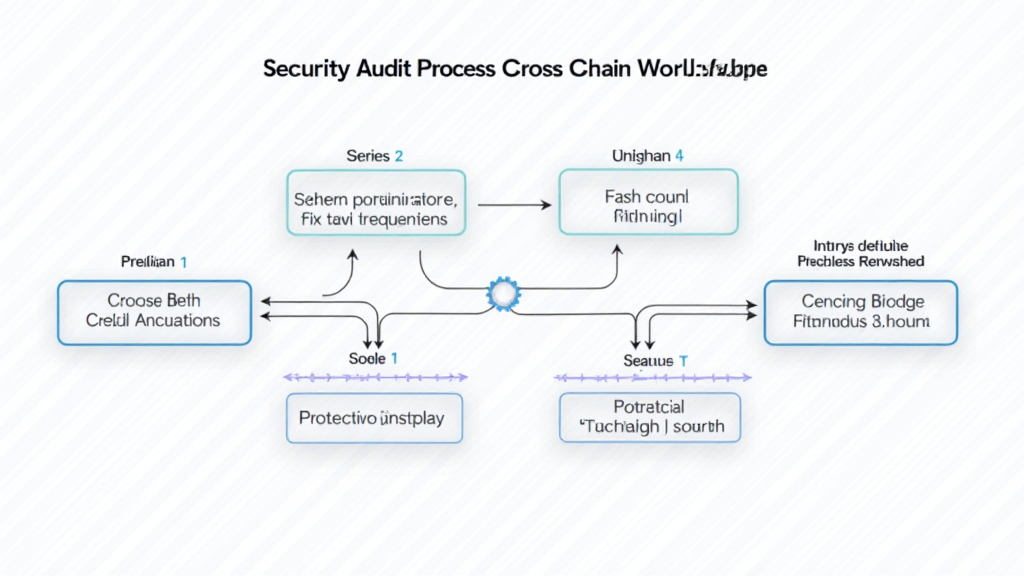


Introduction: The Security Gap in cross-2/”>Cross-Chain Bridges
According to Chainalysis 2025 data, a staggering 73% of cross-chain bridges have identified security vulnerabilities. These flaws underscore the importance of robust audits and enhanced security mechanisms. For traders utilizing platforms like the HiBT OTC desk, understanding and navigating these challenges become crucial to safeguarding their assets.
What is a cross-2/”>Cross-Chain Bridge?
Imagine a cross-chain bridge as a currency exchange booth at a busy market. Just as you would exchange dollars for euros, cross-chain bridges allow you to swap currencies and tokens across different blockchain networks. For instance, converting Bitcoin (BTC) on Ethereum can open doors to greater liquidity, but only if the bridge’s security is assured.
Why Do cross-2/”>Cross-Chain Bridges Have Vulnerabilities?
Let’s break it down. When using a cross-chain bridge, you’re trusting that the bridge will safely handle your tokens. However, weak coding, lack of audits, and outdated technology can create gaps, much like an inexperienced currency exchanger not knowing the right amounts. By relying on platforms like the HiBT OTC desk, you engage with systems designed to minimize these weaknesses.
How Can I Ensure Safe Transactions Across Chains?
To protect your assets, consider methods such as using protocols with strong security protocols, familiarizing yourself with past security incidents, and leveraging solutions that embed security from the ground up, like the HiBT OTC desk. Additionally, you may also adopt physical security measures like Ledger Nano X, which can reduce the risk of private key exposure by 70%.
Conclusion: Protecting Your Investments
The landscape of cross-chain transactions is continually evolving, and user awareness is vital. Given the alarming stats on security vulnerabilities discovered, tools and best practices are essential for safe trading. Download our toolkit for best practices and get started today.