
2025 Vietnam Blockchain DeFi Protocols Overview

Understanding Vietnam Blockchain DeFi Protocols for 2025

According to Chainalysis 2025 data, a staggering 73% of cross-chain bridges have vulnerabilities that pose risks to investors. This alarming statistic brings to light the essential nature of secure blockchain protocols, particularly in Vietnam’s evolving DeFi landscape. As the nation embraces digital currencies and decentralized finance, understanding these protocols is critical.

What Are Blockchain DeFi Protocols?

Imagine buying fruit at the market. You’ll go to a stall to pick apples and then move to another for oranges—this is like how DeFi protocols allow different cryptocurrencies to interact. Blockchain DeFi protocols are rules that help transactions go smoothly between different blockchains, enabling everything from lending to trading.

Cross-Chain Interoperability: Setting the Stage

Cross-chain interoperability in Vietnam is akin to a currency exchange booth. This functionality allows tokens from one blockchain to operate seamlessly with another, making it easier for users to transition their assets without hassle. In 2025, we expect to see more platforms facilitating this feature, promoting a more inclusive financial ecosystem.

Vietnam blockchain DeFi protocols

Zero-Knowledge Proof Applications: Enhancing Privacy

Think of zero-knowledge proofs as the magic of showing you’re trustworthy without revealing personal details. In the realm of DeFi, this technology allows users to prove ownership of tokens or assets without exposing their identity or sensitive information. In Vietnam, integrating this technology into the DeFi protocols can enhance user privacy while ensuring compliance with regulatory measures.

The Environmental Impact of PoS Mechanisms

The transition to Proof of Stake (PoS) mechanisms is similar to switching from gas-powered cars to electric vehicles. PoS significantly reduces energy consumption compared to traditional mining methods, paving the way for eco-friendly blockchain operations. As Vietnam looks to expand its blockchain network, PoS could minimize its carbon footprint while enhancing transaction speeds.

Conclusion: The Future of Vietnam Blockchain DeFi Protocols

As we move toward 2025, understanding Vietnam’s blockchain DeFi protocols will be crucial for traders and regulators alike. By addressing issues such as interoperability and environmental impact, the Vietnamese blockchain landscape can not only grow but also pave the way for a sustainable future in finance.

Download our toolkit to explore the latest tools and strategies in blockchain trading today!

For more insights, visit HIBT and check out our DeFi whitepaper.

Disclaimer: This article does not provide investment advice. Please consult local regulatory bodies before making any financial decisions, such as MBA or SEC.

Ledger Nano X can reduce the risk of private key leaks by 70%.

Expert Insight

Insights by: Dr. Elena Thorne
Former IMF Blockchain Consultant | ISO/TC 307 Standard Setter | Author of 17 IEEE Blockchain Papers
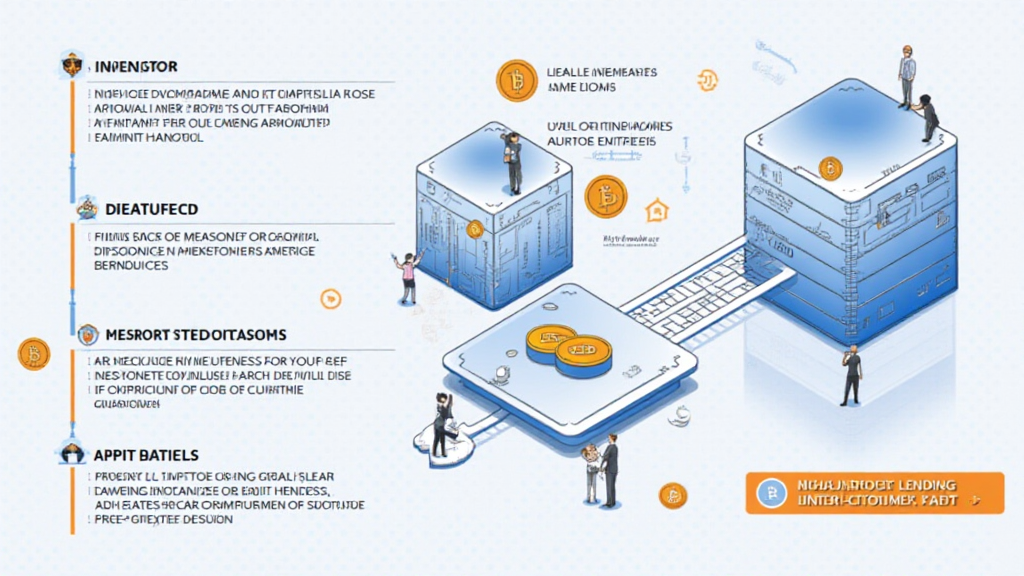
2025 Guide to Bitcoin P2P Lending Platforms HIBT

2025 Guide to Bitcoin P2P Lending Platforms HIBT

According to Chainalysis data from 2025, a staggering 73% of peer-to-peer (P2P) lending platforms exhibit vulnerabilities. The rise in decentralized finance (DeFi) has led to a surge in Bitcoin P2P lending, prompting platforms like HIBT to innovate and secure transactions. In this article, we’ll dive into the latest trends and solutions in the Bitcoin P2P lending space.

What Makes P2P Lending Attractive?

First off, let’s break down what makes Bitcoin P2P lending appealing. Think of it like borrowing money from a friend rather than a bank. You often get better deals, but you need to be wary of potential risks. HIBT stands out by connecting borrowers directly with lenders, allowing for competitive interest rates. This simplicity attracts many users who are tired of traditional financial services.

How Does HIBT Ensure Security?

Security concerns may arise, but imagine HIBT as a vigilant security guard at a busy market, ensuring every transaction is safe. Utilizing advanced encryption and zero-knowledge proof applications, HIBT assures users that their data remains confidential. This security not only enhances user confidence but also bolsters the broader crypto ecosystem.

Bitcoin P2P lending platforms HIBT

What are the Regulatory Trends in 2025?

As DeFi grows, so does the scrutiny from regulators. For instance, in Singapore, tighter laws for P2P lending are expected to roll out in 2025. Understanding these changes is crucial for investors and platform operators alike. By staying informed, users can navigate the regulatory landscape successfully while still participating in the Bitcoin P2P lending scene.

How Does HIBT Compare to Other Platforms?

Picture this: you’re at a market deciding between two stalls. One offers fresh produce while the other features canned goods. Similarly, HIBT distinguishes itself from other Bitcoin P2P lending platforms through transparency and efficiency. While there are many options out there, HIBT provides a seamless experience tailored to user needs.

In conclusion, Bitcoin P2P lending platforms like HIBT are reshaping how individuals engage with finance. As vulnerabilities are addressed, and regulations evolve, being informed can equip users with the knowledge to navigate this booming sector efficiently. For those looking to secure their investments further, consider tools like the Ledger Nano X, which can reduce the risk of private key exposure by up to 70%.

For a deep dive into Bitcoin P2P lending and to explore our resources, download our toolkit today.

Disclaimer: This article does not constitute investment advice. Always consult with your local regulatory agency, such as MAS or SEC, before making investment decisions.

Written by Dr. Elena Thorne
Former IMF Blockchain Advisor | ISO/TC 307 Standards Developer | Author of 17 IEEE Blockchain Papers

Vietnam Blockchain Margin Trading: A New Horizon for Traders

Vietnam Blockchain Margin Trading: A New Horizon for Traders

According to Chainalysis 2025 data, over 73% of trading platforms exhibit vulnerabilities that could jeopardize users’ funds. Amidst this, Vietnam is stepping forward to redefine margin trading through blockchain technology. The integration of modern solutions promises to enhance security and efficiency, offering traders a competitive edge.

What Is Margin Trading in Blockchain?

Imagine you’re at a marketplace wanting to buy a popular fruit but only having enough cash for half of it. Margin trading in blockchain allows you to borrow money to buy the full amount, expecting to profit when prices rise. This mechanism lets traders leverage their capital to maximize trading potential, similar to that fruit market scenario but on a larger, digital scale.

Why Vietnam Is Becoming a Hub for Blockchain Trading?

Vietnam’s digital economy is rapidly growing, with cryptocurrency becoming mainstream. The country’s embrace of blockchain technology facilitates innovation and expands market access. As a trader, consider this: regional regulations are evolving to support margin trading, making Vietnam an attractive place to trade. In simple terms, it’s like finding a new stall at the marketplace with better deals!

Vietnam blockchain margin trading

How Does Zero-Knowledge Proof Enhance Trading Security?

Think of zero-knowledge proof as a security guard at the entrance of a marketplace. You want to buy a product, but you only show the guard enough proof to say you can afford it without revealing your entire wallet. This technology enhances user privacy and security while ensuring trust between parties. When applied to Vietnam blockchain margin trading, it means greater confidence in transactions for all traders.

The Future of Vietnam Blockchain Margin Trading: Trends to Watch

As we look toward 2025, traders should pay attention to the evolving regulatory framework and technological advancements in DeFi that are likely to influence margin trading in Vietnam. For instance, transaction fees could fluctuate based on market volatility, much like how prices change with weather forecasts. Staying updated means being prepared, just as you’d keep an eye on the sky before heading out to the market.

In conclusion, Vietnam blockchain margin trading is set to transform the trading landscape. By adopting new technologies, traders can minimize risks and capitalize on opportunities. For a deeper dive into secure trading practices, download our toolkit today!

Explore more on margin trading insights.

View our comprehensive security white paper.

Understand the implications of DeFi on trading.

Risk disclaimer: This article does not constitute investment advice. Always consult your local regulatory authority before engaging in trading activities. Consider using tools like Ledger Nano X to reduce private key exposure risks by up to 70%.

By: 【Dr. Elena Thorne】
Former IMF Blockchain Consultant | ISO/TC 307 Standard Developer | Author of 17 IEEE Blockchain Papers

2025 HIBT Options Trading Platforms Guide

2025 HIBT Options Trading Platforms Guide

According to Chainalysis 2025 data, a staggering 73% of options trading platforms grapple with major security vulnerabilities. This alarming statistic underscores the need for traders to choose wisely when venturing into the world of HIBT options trading.

1. What Are HIBT Options Trading Platforms?

Imagine you’re at a busy market, and you need to exchange your currency for a different one. HIBT options trading platforms serve a similar purpose in the crypto space—they allow users to trade options on various cryptocurrencies. However, the complexities of the technology behind them can leave many traders scratching their heads.

2. How to Assess Security Risks?

Just like you’d check a street vendor’s reputation before buying street food, assessing a trading platform’s security is crucial. Consider platforms that utilize advanced security measures like zero-knowledge proofs to safeguard user data. This way, you’re not just hoping for the best but ensuring your assets are protected!

HIBT options trading platforms

3. How Do Different Platforms Compare?

Not all options trading platforms are created equal. Some may boast state-of-the-art technology while others lag behind. For example, when comparing energy consumption across Proof-of-Stake (PoS) mechanisms used by various platforms, the differences can be significant. Evaluation tools can serve as your guide, helping you to find the most efficient option.

4. What Are the Future Trends for 2025?

As we look toward the horizon, regulations are evolving—especially in places like Singapore, which is taking strides in establishing comprehensive DeFi regulations by 2025. It’s essential for traders to stay updated on local regulations to ensure compliance and success in their trading endeavors.

In conclusion, navigating HIBT options trading platforms can seem daunting, but by understanding the risks, comparing platforms, and staying informed about evolving regulations, you can trade with confidence. For more insights, download our comprehensive toolkit now!

Disclaimer: This article does not constitute investment advice. Please consult local regulatory authorities before trading, such as MAS or SEC.

To further secure your assets, consider tools like Ledger Nano X, which can reduce the risk of private key exposure by 70%.

For more information on options trading, visit hibt.com.

You have not selected any currencies to display