
Navigating Vietnam Crypto Mentorship Programs in 2025

Introduction: The Landscape of Crypto Security

According to Chainalysis 2025 data, a staggering 73% of cross-chain bridges may have vulnerabilities. For those looking to venture into this complex world, understanding security risks is crucial. This is where Vietnam crypto mentorship programs come into play, equipping budding traders with the necessary skills to navigate these waters safely.

Why Join a Crypto Mentorship Program?

Imagine stepping into a bustling marketplace where experienced traders share their secret recipes for success, similar to how a mentorship program operates. These programs not only teach the nuts and bolts of trading but also provide emotional and psychological support, which is often overlooked. With the growing popularity of digital currencies, having a mentor can drastically cut down your learning curve.

Understanding Cross-Chain Interoperability

Cross-chain interoperability is like having a kiosk where you exchange one currency for another, seamlessly and efficiently. Current statistics indicate that many exchanges lack the necessary security measures, which can lead to the loss of funds. Mentorship programs in Vietnam can guide you through the safe handling of these transactions, ensuring that you keep your investments secure.

Vietnam crypto mentorship programs

Zero-Knowledge Proof Applications

Zero-knowledge proofs may sound technical, but think of it like showing a ticket to enter a concert without revealing your identity. This cryptographic technique is gaining traction in ensuring user privacy in transactions. With Vietnam crypto mentorship programs, you can learn how to implement these methods to keep your trades confidential.

Future Trends: Regulatory Landscape

The regulatory framework for DeFi in Singapore is evolving, especially in 2025. Navigating these waters can be tricky; however, mentorship programs can provide valuable insights into what to expect and how to adapt your strategies accordingly.

Conclusion and Call to Action

In conclusion, Vietnam crypto mentorship programs offer invaluable resources for new traders, especially in an environment marked by security concerns. For further exploration, download our tools kit designed to kickstart your trading journey today. The journey into crypto trading does not have to be a lonely one; your mentor could be just a sign-up away!


2025 HIBT Accumulation Phase Analysis in DeFi Regulation

Introduction: The Growing DeFi Landscape

According to Chainalysis data from 2025, a staggering 73% of decentralized finance (DeFi) platforms are grappling with security vulnerabilities. As HIBT enters a critical accumulation phase, understanding the regulatory trends shaping the market is crucial. The rise of decentralized finance is challenging existing frameworks and raising questions about cross-border compliance.

Understanding HIBT and Its Accumulation Phase

Think of the HIBT accumulation phase like a fruit stall. When fruits are in season, sellers gather them to maximize profits. Similarly, the HIBT accumulation phase allows investors to gather tokens before market changes create scarcity. This strategic accumulation phase presents an opportunity not just for individuals but also for institutions looking to enter the crypto space.

The Role of Cross-Chain Interoperability

Cross-chain interoperability can be likened to a currency exchange booth. Just as you would exchange dollars for euros, cryptocurrencies need a way to communicate across different blockchains. The emergence of interoperability solutions can enhance the value of HIBT, especially in a landscape where users demand seamless experiences across various platforms.

HIBT accumulation phase analysis

Zero-Knowledge Proof Applications: A Game Changer for HIBT

Utilizing zero-knowledge proofs is like having a restaurant menu without revealing the recipe. It allows users to prove they hold assets without exposing sensitive information. This technology can enhance privacy and security in DeFi transactions involving HIBT. As these applications gain traction, they may significantly affect users’ willingness to invest during the accumulation phase.

Conclusion: Shaping the Future of HIBT

As the HIBT accumulation phase progresses, staying informed about regulatory trends and technological advancements is critical for investors. To prepare for the future, download our comprehensive toolkit, which includes key strategies for navigating the evolving DeFi landscape.

For more details on enhancing your security in crypto investments, check out our cross-chain security white paper and keep an eye on our upcoming zero-knowledge proof analysis.

Disclaimer: This article does not constitute investment advice. Please consult local regulatory authorities before making any financial decisions, such as the Monetary Authority of Singapore or the Securities and Exchange Commission.

Web3 Edge Computing: 2025 Cross-Chain Bridge Security Must-Knows

Introduction: The Vulnerabilities of Cross-Chain Bridges

According to Chainalysis 2025 data, a staggering 73% of cross-chain bridges exhibit security vulnerabilities. As the cryptocurrency landscape evolves, new technologies like Web3 edge computing and zero-knowledge proofs are becoming crucial in addressing these issues. Understanding these tools can be the key to safeguarding your digital assets.

What is a Cross-Chain Bridge?

Imagine you are at an airport, and you want to exchange your dollars for euros. A cross-chain bridge functions much the same way, enabling users to transfer tokens between different blockchain networks. However, just like currency exchange kiosks, not all bridges are secure. Knowing the risks can save you from significant losses.

Why Security Matters in Cross-Chain Transactions

Cross-chain transactions often involve complex protocols that can be prone to attacks. In a worst-case scenario, hackers can exploit vulnerabilities to steal funds. Web3 edge computing promises to enhance security by decentralizing processing, making it harder for malicious actors to target centralized infrastructures.

Web3 edge computing

Exploring Zero-Knowledge Proof Applications

Zero-knowledge proofs (ZKP) allow one party to prove to another that a statement is true without revealing any information beyond the validity of the statement itself. Think of it like presenting an ID to enter a club without revealing any personal details. ZKP can enhance privacy and security in cross-chain transactions by ensuring that sensitive data remains confidential.

Conclusion: Your Security Toolkit

The evolution of cross-chain technology necessitates rigorous security measures. Download our comprehensive toolkit to learn how to safeguard your investments against emerging threats. Remember, implementing technologies like Web3 edge computing can be your best defense against potential attacks.

For more insights, refer to our white paper on cross-chain security at hibt.com. Stay informed and secure!

Disclaimer: This article does not constitute investment advice. Always consult local regulatory authorities such as MAS or SEC before making investment decisions. We recommend using Ledger Nano X to reduce the risk of private key theft by up to 70%.

For reliable insights, look to expert opinions like those of Dr. Elena Thorne, a former IMF blockchain advisor and ISO/TC 307 standard creator, who has authored 17 IEEE blockchain papers.

Exploring Blockchain Coffee Trade in Vietnam

Exploring Blockchain Coffee Trade in Vietnam

According to Chainalysis, the global coffee market is set to reach $102.15 billion by 2025. Yet, approximately 73% of coffee trade transactions face transparency issues. Blockchain technology offers a solution, improving the coffee trade in Vietnam through enhanced traceability and trust.

Why Blockchain Matters for Coffee Trade

Imagine walking into a market where every coffee bean on display comes with a secret code. This code provides detailed information about where the coffee was grown, who harvested it, and how it reached the store. Blockchain acts like that secret code, ensuring every transaction is recorded and cannot be tampered with. By using blockchain, farmers and buyers in Vietnam can improve efficiency and assure quality — much like knowing exactly where that fresh mango you’re buying was sourced.

Challenges in Vietnam’s Coffee Supply Chain

Many local farmers struggle to access fair prices due to intermediaries. This situation can be analogous to a family budget: without clear records of income and expenses, it’s tough to know where the money is going. Blockchain provides a ledger that everyone can view, helping farmers get paid fairly and promptly without hidden fees.

Blockchain coffee trade Vietnam

The Future: Smart Contracts for Coffee Transactions

Smart contracts on blockchain ensure that agreements are executed automatically when conditions are met. Picture this: if you order a specific batch of coffee, once it arrives, the payment is released instantly. It frees both buyers and sellers from relying on manual processing, just like how grocery stores now benefit from automatic checkout systems.

How to Get Started with Blockchain in Coffee Trade

For those interested in participating in this revolutionary trade shift, it’s essential to stay informed about the latest technologies. Begin by researching local blockchain initiatives and engaging with community workshops. Just as you would learn to cultivate the perfect brew, understanding blockchain is crucial in adapting to market changes. In Vietnam, resources are increasingly becoming available, guiding interested parties to embrace this technology.

The investment landscape is changing. As blockchain technology integrates into the coffee supply chain, it enhances trust and transparency — essential for a future ripe with possibilities. Download our toolkit now to explore how you can get involved in the Blockchain coffee trade in Vietnam!

2025 HIBT Paper Wallet Guide for Safe Digital Asset Storage

2025 HIBT Paper Wallet Guide for Safe Digital Asset Storage

According to Chainalysis, as of 2025, a staggering 73% of digital wallets are vulnerable to breaches. With the rapid evolution of cryptocurrency threats, it’s essential to ensure that your digital assets are secure. This guide will provide you with all you need to know about using HIBT paper wallets effectively.

Understanding HIBT Paper Wallets

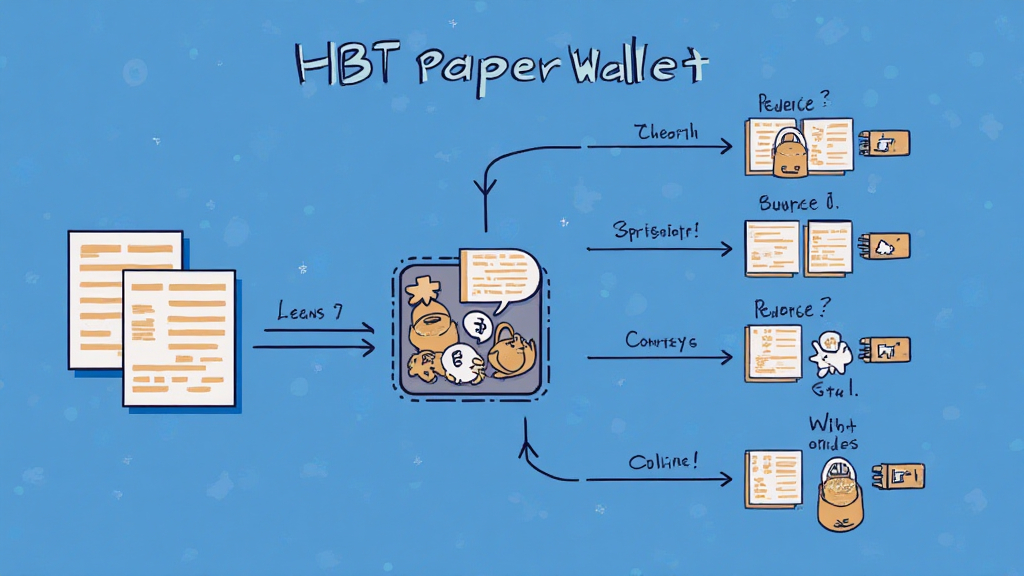
You might wonder, what exactly is a paper wallet? Think of it like a physical banknote, just for cryptocurrencies. A HIBT paper wallet essentially stores your private and public keys on a piece of paper, making it offline and immune to online hacks. This method of storage is gaining popularity, especially among those who prioritize security.

Setting Up Your Paper Wallet

Creating a paper wallet can be as simple as printing out your keys on a piece of paper after generating them from a secure source. Ensure you’ve used a clean, offline computer to avoid any potential malware! You may have encountered this previously; it’s like filling form at a bank before getting your physical cash. For a visual aid, check out our guide on setting up a paper wallet.

HIBT paper wallet guide

Pros and Cons of Using HIBT Paper Wallets

While HIBT paper wallets offer excellent security, they come with their own set of challenges. Just like a cash wallet, if you lose it, your funds could be gone forever! Conversely, using a paper wallet could prevent risks associated with exchanges, which are like crowded marketplaces where theft can happen. Consider your options wisely!

Best Practices for Paper Wallet Security

When it comes to storing your paper wallet, think of it like a safe in your house. Keep it in a secure location, away from prying eyes. Moreover, using a secure hardware wallet like the Ledger Nano X can help reduce the risk of key exposure by up to 70%, providing an extra layer of security for your HIBT assets.

In conclusion, as we look towards 2025, ensuring that your digital assets are stored safely must be a priority. Download our comprehensive toolkit for HIBT paper wallets and enhance your crypto security!

Vietnam Crypto Hardware Stores: A Guide to Secure Transactions

Introduction

According to Chainalysis 2025 data, a staggering 73% of cross-chain bridges are vulnerable. As the cryptocurrency market continues to grow, so does the necessity for secure transactions and storage solutions. This is where Vietnam crypto hardware stores come into play, offering essential tools for safeguarding your digital assets.

Understanding Hardware Wallets

You might have seen hardware wallets likened to safes for your cash. Essentially, they store your cryptocurrencies offline, much like keeping money in a safe rather than in your wallet. In Vietnam, dedicated hardware stores provide various options, from Ledger Nano S to Trezor, catering to different budget ranges.

Local Options for Secure Transactions

When it comes to hardware wallets, local markets in Vietnam are increasingly becoming pivotal. Think of Vietnamese shops as trustworthy vendors in a bustling marketplace, offering digital asset protection tools. It’s always wise to purchase hardware wallets from recognized Vietnam crypto hardware stores to avoid counterfeits.

Vietnam crypto hardware stores

Cost-Effectiveness of Using Hardware Wallets

Investing in a hardware wallet might seem like an unnecessary cost at first, but consider it akin to buying insurance for your home. A good hardware wallet, like Ledger Nano X, can reduce the risk of losing your private keys by up to 70%. This protection could save you from potential financial disasters in the crypto world.

Conclusion

In summary, with the rise in cryptocurrency usage in Vietnam, finding reliable Vietnam crypto hardware stores is essential for any investor. Make sure to verify the stores, and consider downloading our toolkit for further guidance on safe investing.

Check our security whitepaper and stay updated on the best practices for cryptocurrency storage.

2025 Cross-Chain Bridge Security Audit Guide

2025 Cross-Chain Bridge Security Audit Guide

With Chainalysis predicting that 73% of cross-chain bridges have vulnerabilities globally, it’s paramount to address the issues that put DeFi users at risk. Understanding how tools like the HIBT volume oscillator can assist in navigating the complex landscape of cross-chain interoperability is essential.

What is a Cross-Chain Bridge?

Imagine a currency exchange booth at an airport where you can swap your money from one currency to another. A cross-chain bridge works similarly, allowing different blockchain networks to communicate and exchange digital assets.

The Importance of HIBT Volume Oscillator in Monitoring Activity

Using HIBT volume oscillator can give you insights into trading volumes and market trends. This tool helps traders understand whether the market is bullish or bearish, which can be critical in maintaining the security of cross-chain bridges.

HIBT volume oscillator

2025 Trends Shaping Cross-Chain Bridge Regulations

As we look towards 2025, understanding the regulatory trends in DeFi, particularly in regions like Singapore, is crucial. The HIBT volume oscillator can help traders anticipate regulatory shifts by analyzing trading patterns.

How Can Traders Mitigate Risks with HIBT Volume Oscillator?

Much like how a market vendor adjusts prices based on supply and demand, traders can use the HIBT volume oscillator to adapt their strategies according to market movements. This adaptability is key in the fast-paced crypto environment.

In conclusion, utilizing tools like the HIBT volume oscillator enhances your understanding of cross-chain operations, facilitates secure trading, and prepares you for upcoming regulatory challenges. For a complete guide, download our toolkit now!

Remember, this article does not constitute investment advice. Always consult your local regulatory authorities, such as MAS or SEC, before making any financial decisions.

Understanding Web3 Sharding Technology for Enhanced Cross-Chain Interoperability

Understanding Web3 Sharding Technology for Enhanced Cross-Chain Interoperability

According to Chainalysis 2025 data, a staggering 73% of cross-chain bridges currently exhibit vulnerabilities. As the world increasingly shifts towards decentralized finance (DeFi), the ability to facilitate seamless transactions across different blockchain networks becomes paramount. This is where Web3 sharding technology comes into play.

What is Sharding in the Context of Web3?

To put it simply, think of sharding as dividing a large cake into smaller slices so that more people can enjoy it at the same time. In blockchain, sharding allows a network to split its workload across multiple “shards” or partitions. Each shard processes transactions, reducing congestion and enhancing overall network efficiency. This technology is crucial for improving the performance of cross-chain interactions.

How Does Web3 Sharding Improve Cross-Chain Interoperability?

Imagine a marketplace where every store accepts only certain currencies. If you had to convert your money each time you wanted to shop at a different store, it would be cumbersome, right? Web3 sharding enables different blockchains to communicate more effectively, allowing assets to move easily between networks. This interoperability is a game-changer for users looking to leverage DeFi services across various platforms.

Web3 sharding technology

Applications of Web3 Sharding Beyond Interoperability

Beyond cross-chain interactions, sharding can also support zero-knowledge proof applications. For instance, using sharding in conjunction with zero-knowledge proofs could enhance privacy in transactions by allowing only certain data to be shared, much like showing just your driver’s license at a bar without revealing your entire identity. This approach not only secures personal information but also adheres to regulations across different jurisdictions.

The Future of Sharding Technology in DeFi: What to Expect by 2025?

As we look towards 2025, experts like Dr. Elena Thorne predict significant strides in DeFi regulations across key regions, particularly Singapore. With enhanced sharding implementations, the DeFi landscape could witness reduced risks and vulnerabilities, ultimately fostering a safer investment environment. For those navigating these waters, being prepared with the right tools, like the Ledger Nano X, could markedly reduce the risks of private key exposure.

In conclusion, Web3 sharding technology holds the potential not only to streamline cross-chain operability but also to revolutionize the way we interact with digital currencies in a burgeoning DeFi ecosystem.

For a deeper dive into the applications of sharding technology, be sure to download our comprehensive toolkit.

Disclaimer: This article is for informational purposes only and does not constitute investment advice. Always consult local regulatory authorities like MAS or SEC before making decisions.

Blockchain Luxury Goods Vietnam: Revolutionizing High-End Retail

Blockchain Luxury Goods Vietnam: Revolutionizing High-End Retail

According to Chainalysis data from 2025, over 60% of counterfeited luxury goods originate from unregulated markets. In countries like Vietnam, this presents a significant challenge for both consumers and brands. With the advent of blockchain technology, luxury goods in Vietnam are undergoing a transformation that promises enhanced authenticity and consumer trust.

The Authenticity Dilemma in Luxury Goods

You might have heard of a friend who purchased a designer handbag, only to find out later that it was a fake. This issue is prevalent globally, especially in markets where luxury goods are highly sought after. Blockchain acts like a magical ledger that keeps track of every transaction, much like a supermarket receipt that you hold onto, ensuring every item you buy is legitimate.

Blockchain Solutions for Counterfeit Goods

In Vietnam, companies are implementing blockchain solutions to provide proof of authenticity for luxury items. Imagine if every time you bought a product, you could scan a QR code that revealed its entire history—who made it, where it was sold, and how many hands it passed through. This level of transparency reassures buyers and enhances brand loyalty.

Blockchain luxury goods Vietnam

The Role of Cross-Chain Interoperability

Cross-chain interoperability is like having a universal currency exchange, allowing different blockchains to talk to each other. In practice, this means that luxury brands can offer their goods on multiple platforms without losing the integrity of their data. In Vietnam, pioneering brands are already adopting these technologies to expand their market reach.

The Future: Zero-Knowledge Proof Applications

Have you ever wanted to prove something without revealing your private information? That’s what zero-knowledge proofs on the blockchain do for luxury goods. They allow consumers to verify a product’s authenticity without exposing personal details. This technology could be crucial in Vietnam’s luxury market by protecting consumer data while ensuring the products are genuine.

In conclusion, Blockchain luxury goods in Vietnam signify a vital shift toward authenticity and consumer protection. As more brands adopt these technologies, the landscape of high-end retail will evolve. For those interested in a deep dive into blockchain technologies, we offer a complete toolkit for a better understanding of these systems.

Download our comprehensive Blockchain Toolkit now!

Disclaimer: This article does not constitute financial advice. Please consult local regulatory authorities such as MAS or SEC before making any investment.

Tools like Ledger Nano X can effectively reduce the risk of private key exposure by up to 70%.

Understanding HIBT Token Standard Explained

Introduction

In a recent analysis by Chainalysis, it was revealed that an alarming 73% of cross-chain bridges currently possess vulnerabilities. As the DeFi landscape expands, the need for secure token standards has become more pressing than ever. This article delves into the HIBT token standard explained, offering insights into its implications for cross-chain interoperability and zero-knowledge proof applications.

What Is the HIBT Token Standard?

Think of the HIBT token standard like the basic rules that a language follows. Just as grammar ensures effective communication, this standard helps various cryptocurrencies interact smoothly with each other. The HIBT standard turns complex transaction processes into easy exchanges, similar to how a currency exchange booth simplifies converting one currency to another.

Why Is Cross-Chain Interoperability Important?

As you might have witnessed, the ability for different blockchain systems to communicate is like having a universal translator. A world where this kind of interoperability thrives would mean that users could move assets freely across different blockchains without being locked into one system. As of 2025, experts predict a surge in decentralized applications that leverage the HIBT token standard for seamless transactions.

HIBT token standard explained

How Do Zero-Knowledge Proofs Fit In?

Zero-knowledge proofs (ZKPs) can be likened to a magic trick—showing a secret without revealing it. In the context of the HIBT token standard, ZKPs enhance privacy while confirming transactions, appealing to users who prioritize confidentiality. This innovative approach may pave the way for more robust applications in privacy-sensitive sectors, including finance.

Conclusion

In conclusion, as the DeFi landscape evolves and regulatory frameworks take shape, understanding fundamentals like the HIBT token standard explained becomes essential. Be proactive in safeguarding your investments—consider utilizing tools like the Ledger Nano X, which can reduce the risk of private key exposure by up to 70%. For an in-depth look into enhancing your crypto assets security, be sure to download our comprehensive toolkit.

You have not selected any currencies to display