
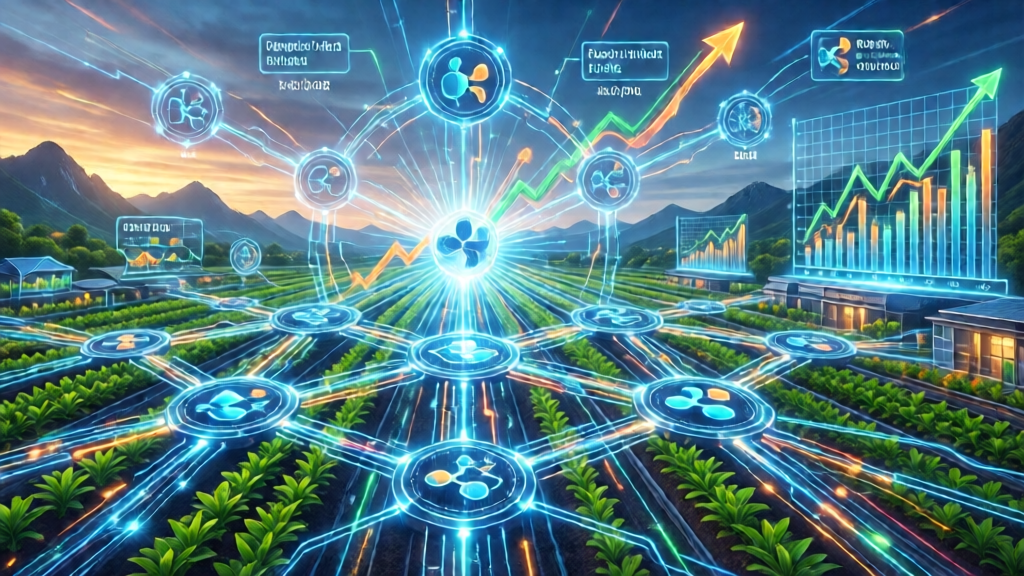

Exploring Ripple Yield Farming 2026: The Future of Crypto Agriculture

Understanding Ripple Yield Farming in 2026
As we move into 2026, the world of cryptocurrency is evolving rapidly. According to Chainalysis data, many investors are seeking ways to earn returns on their assets in a highly connected ecosystem. Ripple Yield Farming, a concept that incorporates decentralized finance (DeFi) principles, is gaining traction. So, what exactly is it, and how can it benefit you?
Cross-Chain Interoperability Explained
To put it simply, imagine every cryptocurrency as a fruit in a market. If you only have apples, you can’t enjoy the deliciousness of oranges unless you can trade. Cross-chain interoperability is like having a market stall where you can easily swap apples for oranges. In the same way, Ripple Yield Farming allows users to utilize assets across different blockchains efficiently.
How Does Ripple Yield Farming Work?
Think of it like renting out a room in your house. You provide space (your crypto) to others who need it (via lending or liquidity pools) and earn rent (interest or yields). This approach enables investors to make their idle crypto work for them, generating returns while still maintaining control over their assets.
Zero-Knowledge Proofs and Their Applications
Imagine you have a treasure that you want to keep hidden but still show someone that you own it. Zero-knowledge proofs allow you to prove ownership without revealing the actual treasure. In blockchain, this technology enhances privacy and security, making Ripple Yield Farming more attractive to users who value confidentiality.
Conclusion: Preparing for the Future of Crypto Farming
As we look ahead at Ripple Yield Farming 2026, the potential for growth and innovation in the crypto space remains significant. To take advantage of these opportunities, consider downloading our toolkit, which offers essential resources to navigate the complexities of crypto investing.

