
Understanding Wallet Movements: Insights and Implications

Understanding Wallet Movements: Insights and Implications
According to Chainalysis 2026 data, changes in wallet movements reflect the dynamic nature of the cryptocurrency market. With growing interest in cross-chain interoperability and applications of zero-knowledge proofs, it’s crucial for investors to understand these trends to make informed decisions.
What Are Wallet Movements?
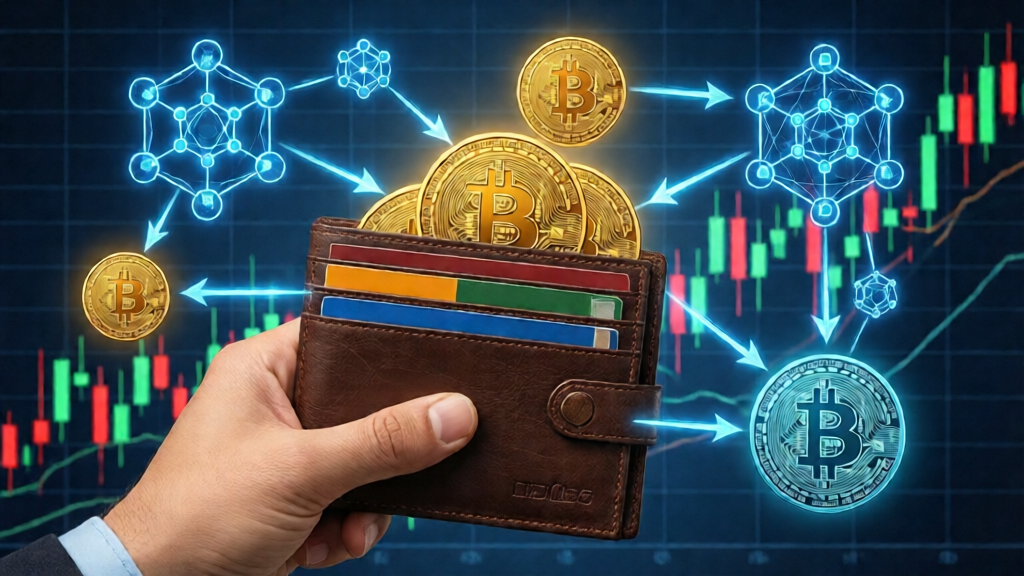
Think of wallets as your digital piggy banks. Just like you might move your cash around between different accounts, cryptocurrencies can be transferred between different wallets. These wallet movements give us insights into who is trading and where the money is flowing in the market.
How Cross-Chain Interoperability Influences Wallet Movements
Imagine you’re at a farmers’ market where different stalls sell fruits and vegetables. Each stall represents a different blockchain. Cross-chain interoperability allows these stalls to share their goods. Similarly, when cryptocurrencies can move between blockchains, it creates diverse wallet movements and trading opportunities.
The Role of Zero-Knowledge Proofs in Wallet Transactions
Picture zero-knowledge proofs like a secret recipe—you can prove you know it without revealing the details. This technology allows transactions to happen without compromising privacy. As more people look to protect their financial information, wallet movements using zero-knowledge proofs are likely to increase.
Analyzing Wallet Movement Trends
Consider trends in wallet movements like weather patterns. By analyzing consistent changes, such as increased transfers during certain events, you can predict future behaviors. Using tools like CoinGecko, investors can track these trends and adjust their strategies accordingly.
In conclusion, understanding wallet movements is essential for anyone navigating the crypto landscape. As the technology evolves, so should your knowledge. For more insights and tools to effectively manage your crypto investments, consider downloading our toolkit below.

