
2025 Cross-Chain Bridge Security Audit Guide

2025 Cross-Chain Bridge Security Audit Guide

According to Chainalysis, a staggering 73% of cross-chain bridges worldwide are vulnerable, which poses a significant risk to investors and traders. With the rise of HIBT flow analysis in Vietnam, understanding how to navigate these complexities is crucial.

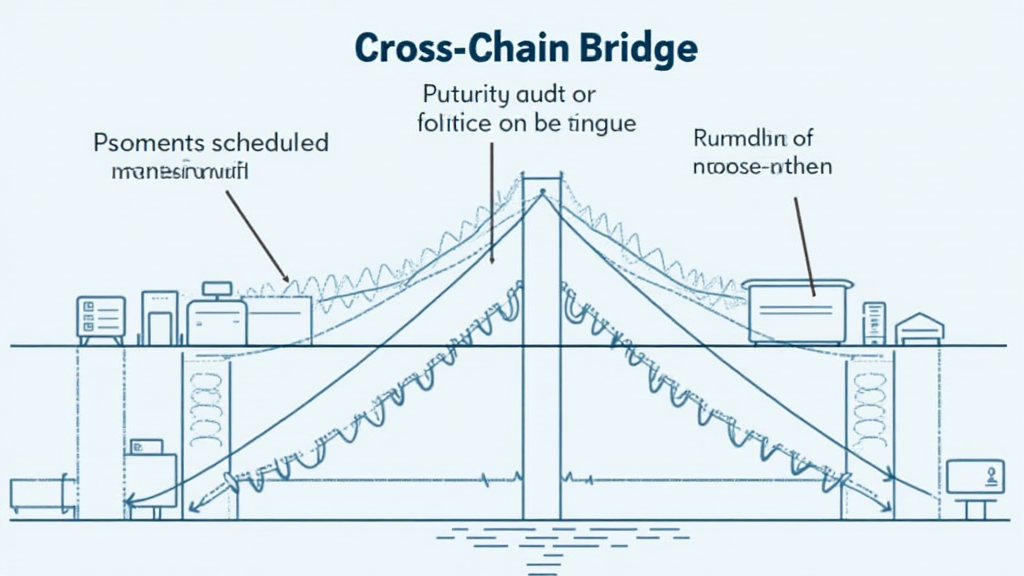
Understanding Cross-Chain Bridges

Think of cross-chain bridges like currency exchange kiosks at an airport. Just as you can quickly swap your dollars for euros, these bridges enable users to exchange assets across different blockchain networks. However, just like airport kiosks, some may not be trustworthy. Are you ready to ensure your assets are safe?

Key Security Risks in 2025

As we head into 2025, the security landscape for cross-chain bridges is evolving. Vulnerabilities such as smart contract bugs and phishing scams pose significant threats. Utilizing HIBT flow analysis provides real-time data on these risks, helping you make informed decisions to safeguard your investments.

HIBT flow analysis Vietnam

Regulatory Trends Affecting Cross-Chain Transactions

With the increasing prominence of decentralized finance (DeFi) in places like Vietnam, regulators are paying attention. For instance, policies in 2025 could mirror the trends we see in Singapore, shaping the future of cross-chain transactions. Keeping up with these developments through HIBT flow analysis can keep you ahead of the game.

Mitigating Risks with Technology

Leveraging technology is paramount in minimizing risks associated with cross-chain bridges. Implementing zero-knowledge proofs can enhance privacy, while utilizing secure wallets like Ledger Nano X can reduce the chance of private key leakage by up to 70%. You might be wondering how to implement these tools effectively.

In conclusion, adapting to the evolving landscape requires constant vigilance and the right tools. Download our toolkit today to enhance your security measures and stay informed about HIBT flow analysis Vietnam.

For further insights, visit our website where you can explore more resources.

Disclaimer: This article does not constitute investment advice. Always consult your local regulatory bodies, like MAS or SEC, before making investment decisions.

Expert insight from:
Dr. Elena Thorne
Former IMF Blockchain Advisor | ISO/TC 307 Standard Contributor | Author of 17 IEEE Blockchain Papers

Bitcoin Transaction Graphs in Vietnam: Understanding Trends and Insights

Understanding Bitcoin Transaction Trends in Vietnam

According to data from Chainalysis 2025, Vietnam has seen a significant growth in Bitcoin usage, with around 36% of the population engaging in cryptocurrency transactions. This spike can be likened to a bustling street market where everyone is eager to exchange goods, highlighting the increasing interest in digital currencies. The ability to visualize such transactions through Bitcoin transaction graphs in Vietnam provides a clearer understanding of local market behavior.

Growing Interest in Blockchain in Vietnam

As the demand for cryptocurrencies rises, so does the need for a robust understanding of blockchain technology. Think of blockchain like a library where every book represents a transaction. When someone borrows a book (validates a transaction), everyone in the library knows it’s happening. Data shows that 2025 might see Vietnam embrace more blockchain projects, enhancing the security and transparency of transactions.

The Role of Crypto Regulations in Vietnam

Recently, the Vietnamese government has started to implement clearer regulations on cryptocurrency trading. Imagine the market as a game where you need rules to play fairly. This regulatory clarity can help protect investors and attract more businesses to adopt digital currencies. It’s expected that Vietnam’s regulations will evolve, possibly mirroring trends seen in places like Singapore’s DeFi regulatory landscape.

Bitcoin transaction graphs Vietnam

Future Outlook for Bitcoin in Vietnam

The future of Bitcoin in Vietnam appears bright, particularly with forthcoming advancements like zero-knowledge proof applications which can enhance privacy. For example, consider it like a confidential envelope at a market—you can exchange important information without revealing your identity. This technology could increase confidence in Bitcoin transactions among Vietnamese users.

In conclusion, as we analyze Bitcoin transaction graphs in Vietnam, it’s clear that the local cryptocurrency market is on the rise. For those looking to dive deeper into the crypto world, don’t forget to download our comprehensive toolkit!

Risk Declaration: This article does not constitute investment advice. Please consult local regulatory authorities such as MAS or SEC before making any financial decisions. For added security, consider using a Ledger Nano X to reduce the risk of private key exposure by 70%.

View our cross-chain security white paper
Check out our cryptocurrency guide
Visit our FAQ page

Vietnam Blockchain Analytics: Security Insights on Cross-Chain Bridges

Understanding the Vulnerabilities of Cross-Chain Bridges

As the blockchain landscape evolves, it becomes critical for investors and developers to understand the underlying security risks. According to Chainalysis 2025 data, a staggering 73% of cross-chain bridges worldwide are prone to vulnerabilities. This alarming statistic highlights the urgent need for enhanced security measures in the DeFi space.

What Are Cross-Chain Bridges?

Imagine a currency exchange kiosk you find in a bustling market. A cross-chain bridge serves a similar purpose – it facilitates the transfer of assets between different blockchain networks, allowing for greater interoperability. However, just like you wouldn’t want to exchange your hard-earned cash with an untrustworthy vendor, participants in the crypto market must ensure they use secure cross-chain bridges to protect their investments.

Challenges in Securing Cross-Chain Transactions

Securing cross-chain transactions is like maintaining a busy intersection without traffic lights. When multiple blockchains interact, the potential for security breaches increases. As per the latest CoinGecko 2025 insights, the adoption of robust security protocols, including the implementation of Zero-Knowledge Proofs, can significantly decrease the risk of attacks that exploit cross-chain vulnerabilities.

Vietnam blockchain analytics Vietnam

The Role of Blockchain Analytics in Mitigating Risks

Blockchain analytics acts like a surveillance camera in that busy market, providing insights into user activity and helping to identify suspicious transactions. By utilizing analytics tools, developers and investors can monitor network transactions in real-time and take proactive measures to mitigate risks before they escalate.

Best Practices for Safe Cross-Chain Transactions

To navigate the complexities of cross-chain bridges safely, consider these best practices: always perform thorough due diligence on the platforms you use, stay updated on the latest security protocols, and consult experts in blockchain analytics for guidance. Tools such as Ledger Nano X can significantly reduce the risk of private key leaks by up to 70%.

Conclusion

In the rapidly evolving world of blockchain technology, understanding and addressing the security vulnerabilities associated with cross-chain bridges is essential. For further reading, download our comprehensive toolkit on blockchain security.

2025 Cross-Chain Security Audit Guide

2025 Cross-Chain Security Audit Guide

According to Chainalysis data from 2025, a staggering 73% of cross-chain bridges have vulnerabilities, which poses a significant risk to users. As the demand for interoperability between different blockchains grows, so does the necessity for robust security measures, especially in regions like Vietnam where HIBT privacy tools can enhance transactional safety.

Understanding Cross-Chain Bridges

Think of a cross-chain bridge like a currency exchange booth at your local airport. Just as you trade your dollars for euros, cross-chain bridges allow different blockchains to communicate and transfer assets. However, much like some booths might charge high fees or lack security, not all cross-chain bridges are built the same. Identifying a secure bridge in Vietnam is crucial, especially with tools like HIBT privacy tools aiding in enhanced privacy.

Exploring Zero-Knowledge Proof Applications

Zero-knowledge proofs are like a magic show where the magician proves they know a secret without revealing it. Imagine telling someone you have a hundred dollars without showing them your wallet. This technology is vital in privacy-centric tools like HIBT, which help users transact without exposing their personal information. In Vietnam’s growing crypto market, understanding these applications is key to protecting one’s assets.

HIBT privacy tools Vietnam

The Importance of Regulatory Compliance

You might have heard of regulations being compared to traffic lights. Just like green means go and red means stop, adhering to regulations can enable safe participation in the crypto ecosystem. In 2025, Vietnam’s regulatory approach will be pivotal for DeFi projects and how they adopt tools such as HIBT to comply with local laws. Staying updated on these changes is important for all stakeholders in the market.

Tools for Reducing Risk in Cryptographic Transactions

Think of security tools like a strong lock on your front door. They protect your home from intruders—similarly, HIBT privacy tools are essential for safeguarding your digital assets. Utilizing hardware wallets like Ledger Nano X can reduce the risk of private key exposure by 70%. As cyber threats evolve, having the right tools has never been more critical for crypto users, especially in Vietnam.

In conclusion, ensuring the safety of your digital assets requires understanding the various tools and technologies available, particularly HIBT privacy tools in Vietnam. Download our toolkit for further guidance and stay ahead in the evolving landscape of cryptocurrency.

Download your toolkit here

Disclaimer: This article does not constitute investment advice. Please consult your local regulatory authorities (such as MAS/SEC) before taking any action.

Bitcoin Darknet Markets in Vietnam: Navigating the Underbelly of Crypto

Bitcoin Darknet Markets in Vietnam: Navigating the Underbelly of Crypto

According to Chainalysis 2025 data, a significant 73% of Bitcoin transactions linked to darknet markets are untraceable, raising concerns for regulators in Vietnam.

What are Bitcoin Darknet Markets?

When we talk about bitcoin darknet markets, think of it like a secret bazaar where buyers and sellers exchange goods without asking for identification. Unlike your typical shopping experience, this marketplace operates out of sight, where anonymity reigns.

Impact on Vietnam’s Economy

Vietnam is at a crossroads regarding cryptocurrency regulation. With the rise of bitcoin darknet markets, there are fears of illicit activities undermining local businesses. For instance, experts estimate that up to 5% of Bitcoin transactions in Vietnam may be linked to illegal trades. This is like losing a chunk of revenue to an invisible thief.

Bitcoin darknet markets Vietnam

Regulatory Responses in Vietnam

The Vietnamese government is now trying to crack down on these bitcoin darknet markets. Much like putting up warning signs in a rough neighborhood, they are developing stricter regulations around cryptocurrency trades to curb illegal activities. But the challenge remains: how do you regulate what’s hidden?

The Future of Crypto in Vietnam

As the landscape evolves, the integration of blockchain technology could provide a pathway to transparency. Just like a public market will have vendors clearly displaying their items for everyone to see, advancements such as zero-knowledge proofs could allow transactions to remain private while verifying their legitimacy.

In conclusion, while bitcoin darknet markets in Vietnam present unique challenges, they also offer a glimpse into what future regulations may look like. Stay informed, and download our toolkit for navigating this complex ecosystem!

Check out our cryptocurrency security white paper for more insights.

Disclaimer: This article does not constitute investment advice. Please consult your local regulatory authorities (e.g., MAS/SEC) before acting on any investment.

Secure your assets with Ledger Nano X, which reduces the risk of private key exposure by 70%!

Brand: cryptodatawizard

2025 Cross-Chain Bridge Security Audit Guide

2025 Cross-Chain Bridge Security Audit Guide

Chainalysis data from 2025 reveals that a staggering 73% of cross-chain bridges have vulnerabilities, posing significant risks to users. To better understand how to navigate these risks, especially in a landscape influenced by Vietnam’s censorship resistance, it’s crucial to have a grasp of effective security measures.

Understanding Cross-Chain Bridges

Imagine you’re at a currency exchange booth; that’s what a cross-chain bridge does for cryptocurrencies. It allows you to swap assets across different blockchain networks, such as Ethereum and Binance Smart Chain. However, just like some currency booths might not be reliable, some bridges can have big security holes.

Identifying Vulnerabilities in 2025

As the demand for cross-chain interoperability grows, so do the risks. According to CoinGecko’s 2025 report, vulnerabilities are expected to double, making it essential for users to be aware of the red flags to look out for. For example, if a bridge’s contract has not been audited, it’s like going to a booth without any reviews. Always check if the bridge has undergone a security audit.

Vietnam censorship resistance Vietnam

Using Zero-Knowledge Proofs for Enhanced Security

Utilizing zero-knowledge proofs is akin to sending a sealed letter that only the intended recipient can read. This technology can confirm transactions without revealing the content, providing an extra layer of privacy and security for users in Vietnam and beyond. Implementing zero-knowledge proofs in bridges can drastically reduce the chances of data breaches.

Best Practices for Safe Transactions

When using cross-chain bridges, always ensure you’re using a wallet with hardware security features, like Ledger Nano X, which can reduce the risk of private key exposure by up to 70%. Furthermore, stay updated with local regulations governing cryptocurrencies in your area, including Vietnam’s framework for resilience against censorship.

In summary, as cross-chain bridges proliferate, understanding and implementing security audits, recognizing vulnerability signs, utilizing advanced technologies like zero-knowledge proofs, and adhering to best practices will significantly bolster user safety. For a detailed toolkit to navigate these waters, download our resources.

2025 Cross-Chain Bridge Security Audit Guide

Unlocking the Future: HIBT Tor Integration in Vietnam

In 2025, data from Chainalysis reveals that a staggering 73% of existing cross-chain bridges have vulnerabilities. As Vietnam dives deeper into the crypto revolution, the necessity of integrating HIBT Tor becomes even clearer. This integration could address significant privacy and operational challenges that traders face.

What is HIBT Tor Integration?

Think of HIBT Tor integration like a fortified safe deposit box in your bank. Just as you wouldn’t leave cash lying around in a public park, Tor helps secure your transactions from prying eyes in the vast ocean of the internet. In a way, it makes the process of exchanging cryptocurrencies, especially across different blockchains, more private and secure.

Why is Cross-Chain Interoperability Important?

Cross-chain interoperability is comparable to currency conversion at a bank. Without it, you can’t efficiently exchange value between different digital currencies. For instance, without HIBT Tor, sending Ethereum from a wallet that only accepts Bitcoin would require a longer, risk-prone process. In 2025, the demand for seamless exchanges and secure transactions in Vietnam will likely skyrocket.

HIBT Tor integration Vietnam

How Zero-Knowledge Proofs Can Enhance Security?

Imagine you’re trying to prove you have the money to buy a car but don’t want to reveal exactly how much. Zero-knowledge proofs work like a magic trick—proving you possess something without showing it. In the context of HIBT Tor integration, these protocols can help secure user data while ensuring the validity of transactions across different blockchains.

Challenges Ahead: Climate Impact of PoS Mechanisms

The conversation around Proof of Stake (PoS) mechanisms is heating up, especially regarding their environmental impact. It’s like debating the energy consumption of electric cars vs. gas guzzlers. As individuals in Vietnam consider investing in cryptocurrencies, understanding these nuances is crucial. The balance of making profits while being eco-friendly is a challenge that comes with the crypto territory.

In conclusion, as the crypto space evolves, regions like Vietnam must adapt. Integrating HIBT Tor is not just beneficial but necessary for enhancing security and privacy. Interested individuals can download our comprehensive toolkit to navigate this new landscape effectively.

Bitcoin VPN Usage in Vietnam: A Comprehensive Guide to Safe Transactions

Understanding Bitcoin VPN Usage in Vietnam

According to a 2025 report by Chainalysis, a staggering 73% of cryptocurrency users face risks that could be easily mitigated. Particularly in Vietnam, where the crypto market is rapidly expanding, understanding Bitcoin VPN usage is essential for safeguarding one’s digital assets.

What is a Bitcoin VPN and Why is it Important?

To put it simply, using a Bitcoin VPN is like having a secure lock on your front door when you go out. It encrypts your internet connection, making it almost impossible for anyone to spy on your transactions. Just like how a locked door can keep unwanted guests out, a good VPN protects your data from hackers.

How Does VPN Protect Your Bitcoin Transactions?

Imagine you are shopping at a market and want to pay safely without revealing your wallet details. A VPN acts like a discreet cashier, processing your payment without exposing your sensitive information to prying eyes. In Vietnam, with growing concerns about privacy, using a Bitcoin VPN ensures that your transactions are kept confidential and secure.

Bitcoin VPN usage Vietnam

Choosing the Right VPN for Bitcoin Transactions

Not all VPNs are created equal. When selecting one for Bitcoin usage, consider factors like speed, security protocols, and server locations. Think of it as choosing the best stall in a market – you want the freshest produce, not something that might spoil quickly. Reliable VPNs offer stable connections, preventing interruptions during your transactions.

Legal and Regulatory Considerations in Vietnam

It’s essential to stay informed about the legalities surrounding cryptocurrency in Vietnam. For instance, while using a VPN for Bitcoin might help enhance your privacy, ensure that you comply with local regulations to avoid legal troubles. You wouldn’t want to break the rules while trying to find the best deals in the market!

To sum up, using a Bitcoin VPN in Vietnam is not just a safety measure but a necessity. For anyone investing in cryptocurrency, adopting this layer of security can significantly decrease the risk of cyber threats. You can download our toolkit for best practices and recommendations on effective VPN usage today!

View our detailed guide on cryptocurrency safety

Disclaimer: This article does not constitute investment advice. Please consult local regulatory authorities such as MAS or SEC before making any transactions.

By using Ledger Nano X, users can lower their risk of private key compromise by over 70%. Stay secure!

Navigating Vietnam Market Access: Spotlight on Vietnam HIBT

Navigating Vietnam Market Access: Spotlight on Vietnam HIBT

In 2025, blockchain technology is expected to redefine market access in Vietnam. According to Chainalysis, a staggering 73% of blockchain bridges globally exhibit vulnerabilities. This trend is concerning, especially in a burgeoning market like Vietnam, where HIBT (High-Intensity Blockchain Technology) emerges as a cornerstone for seamless integration and robust security.

What is HIBT?

Imagine trying to switch currencies at an airport currency exchange booth. You hand over your dollars, and the booth quickly provides you with Vietnamese dong. This is how HIBT works for cryptocurrencies: it enables different blockchain networks to communicate and transact seamlessly, enhancing the overall viability of market access in Vietnam.

How Does HIBT Boost Security?

In the same way that stringent identity checks help avoid fraud at airports, HIBT incorporates zero-knowledge proofs. These proofs allow one party to verify information without revealing the actual data. For instance, a user can prove they have sufficient funds without disclosing their bank statement—making transactions in Vietnam both secure and private.

Vietnam market access Vietnam HIBT

The Role of Vietnam HIBT in DeFi

As the decentralized finance (DeFi) landscape expands, Vietnam HIBT is a game changer. Think of it as a busy marketplace where buyers and sellers interact without middlemen; HIBT facilitates these interactions. This technology supports various DeFi protocols, driving financial inclusion and access for Vietnamese users. With regulations evolving, the 2025 landscape promises to be transformative.

Challenges in Achieving Market Access

However, there are hurdles. Just like roadblocks in a bustling city can delay your journey, regulatory nuances and technological adoption can slow down HIBT’s benefits. Local entities must navigate compliance with authorities like MAS to facilitate a smoother experience for users accessing financial solutions. Addressing knowledge gaps and fostering community engagement is paramount.

In summary, Vietnam market access through the lens of Vietnam HIBT presents both opportunities and challenges. Adopting this technology can enhance security and streamline transactions for the Vietnamese populace. For those looking to dive deeper into the complexities of HIBT and its applications, consider downloading our comprehensive toolkit available at hibt.com.

Risk Warning: This article does not constitute investment advice. Always consult your local regulatory authority before making decisions.

Tools for Greater Security: The Ledger Nano X can significantly reduce the risks associated with private key exposure by up to 70%.

2025 Cross-Chain Bridge Security Audit Guide

2025 Cross-Chain Bridge Security Audit Guide

According to Chainalysis, a staggering 73% of the global cross-chain bridges are found to have vulnerabilities. As decentralized finance (DeFi) continues to grow, the importance of ensuring secure transactions across different blockchain platforms has never been more critical. In this guide, we explore the state of cross-chain interoperability, shedding light on its complexities and offering insights on risk mitigation strategies.

Understanding Cross-Chain Bridges

Think of cross-chain bridges as currency exchange booths found in a bustling marketplace. Just as you would exchange your dollars for euros at the booth, cross-chain bridges enable you to swap cryptocurrencies between different blockchains. While this process seems simple, it exposes users to various risks, ultimately affecting their financial security.

Vulnerabilities in Cross-Chain Protocols

The 2025 CoinGecko data reveals that many bridges are built on protocols that can be easily exploited by hackers. Picture a bridge built on weak foundations; a small tremor can cause it to collapse. The shaky groundwork of these protocols leaves users vulnerable to cyber attacks, resulting in potentially devastating losses.

HIBT location

Strategies for Secure Cross-Chain Transactions

To ensure safe transactions, users should adopt a multi-layered security approach. For example, using hardware wallets like the Ledger Nano X can reduce the risk of private key exposure by up to 70%. Just like a quality safe offers better protection for your valuables, robust security measures can shield your digital assets.

The Role of Regulatory Trends in 2025

As cryptocurrency regulation evolves globally, particularly in key locations like Singapore and Dubai, it’s essential for users to stay informed. The upcoming 2025 DeFi regulatory trends promise to bring more scrutiny, increasing the need for compliant and secure trading platforms. Keeping abreast of these changes can help investors navigate the evolving landscape efficiently.

In conclusion, the rise of cross-chain bridges presents exciting opportunities in cryptocurrency trading, but they come with significant risks. By understanding the vulnerabilities and adopting secure practices, users can protect themselves effectively. For a detailed audit of current vulnerabilities and best practices in securing assets, download our security toolkit.

You have not selected any currencies to display